
Great coffee isn’t just a drink—it’s a crafted experience. At its heart lies a method that prioritizes care over speed: small-batch roasting. This approach blends time-honored techniques with modern precision, turning raw beans into complex flavor journeys. As Stephen Holmes of Confident Coffee Roasters puts it, “Every step matters, from farm to cup.”
Roasters like Peregrine and Confident Coffee Roasters showcase how this method builds bridges between growers and drinkers. By working with smaller batches, they monitor each bean’s journey, adjusting heat and timing to highlight unique characteristics. This hands-on style ensures consistency while celebrating seasonal variations.
What sets this practice apart? Greater control. Unlike mass production, artisans can tweak variables like temperature and airflow to enhance natural sweetness or balance acidity. The result? A cup that reflects both the bean’s origin and the roaster’s expertise.
Throughout this article, we’ll explore how tradition meets innovation in these methods. You’ll discover the science behind flavor development, sustainable practices, and why every sip tells a story. Ready to dive deeper?
Key Takeaways
- Small-batch roasting emphasizes craftsmanship and attention to detail.
- Working with smaller quantities ensures higher quality and consistency.
- Direct farmer relationships enhance traceability and ethical sourcing.
- Precise control over roasting variables unlocks unique flavor profiles.
- This method blends traditional techniques with modern technology.
- Sustainability and freshness are central to the process.
Understanding the Art of Small-Batch Roasting
Every coffee bean carries a story shaped by soil, climate, and human hands. For roasters like Stephen Holmes, building direct partnerships with farmers transforms ordinary beans into something extraordinary. “Meeting growers like Cesar Gaitan in Guatemala changed how I approach coffee,” he says. “Their dedication is etched into every sip.”
The Journey from Farm to Cup
Small batch roasting starts long before beans hit the roaster. Coffee roasters visit farms to handpick micro-lots—tiny harvests with distinct flavors. José Padilla, a third-generation grower in Nepal, explains: “We nurture each plant like family. When roasters choose our beans, they honor generations of work.”
This hands-on approach ensures quality. Roasters track every step, from sun-drying methods to shipment timing. Peregrine Coffee, for example, struggled early with inconsistent batches until they partnered directly with farmers. Now, their Ethiopian blends showcase floral notes that mass producers often miss.
Honoring Tradition and Unique Profiles
Artisans balance old-world techniques with modern tools. Airflow adjustments might highlight a bean’s citrus zest, while slower roasting preserves chocolate undertones. “Tradition gives us roots,” Holmes notes, “but innovation lets flavors soar.”
- Micro-lot selection ensures only top-tier beans make the cut
- Customized roasting adapts to each harvest’s moisture and density
- Farmer partnerships create ethical, traceable supply chains
By blending respect for legacy with precision tweaks, small batch masters turn coffee into liquid artistry. Each cup becomes a bridge between continents—and cultures.
The Science Behind the Roasting Process
Coffee roasting is equal parts chemistry lab and artist’s studio. At 400°F, beans undergo Maillard reactions—the same process that browns bread crusts—transforming raw flavors into caramel sweetness or nutty undertones. “A 30-second difference can shift a bean’s entire personality,” says Ana Martinez of Peregrine Coffee.
Precision in Temperature, Timing, and Airflow
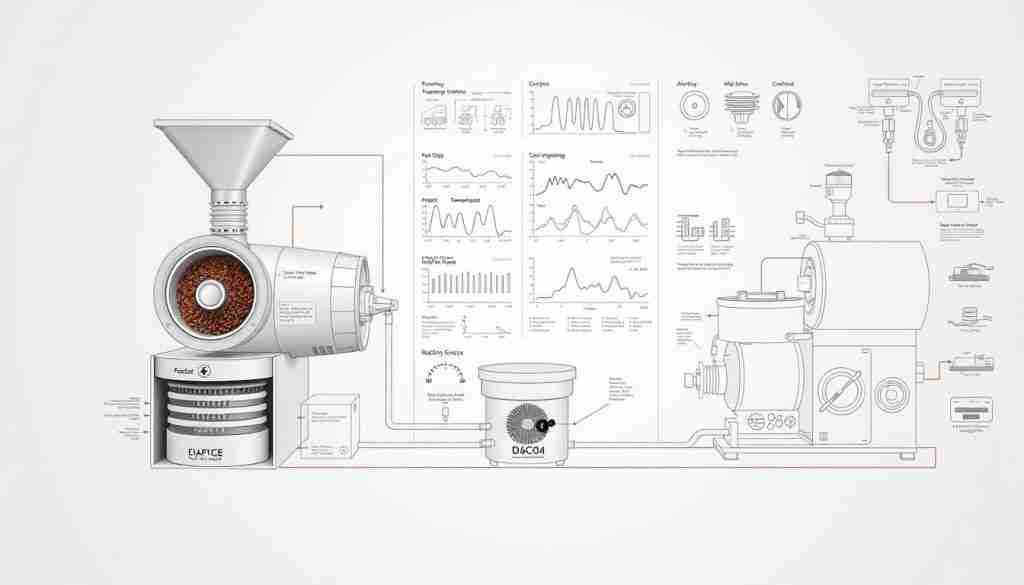
Three key variables shape every batch: heat, duration, and airflow. Artisans adjust these elements like a conductor leading an orchestra. A 10°F shift during the “first crack” phase can turn bright acidity into mellow caramel notes.
Advanced roasters use sensors to track bean color and internal temperature. This data-driven approach ensures even development, avoiding burnt edges or undercooked centers. For example, Confident Coffee Roasters’ Ethiopian Yirgacheffe roasts at 435°F for 12 minutes to highlight jasmine aromas.
Experimentation and Customization Techniques
Batch roasting enables endless creativity. Some roasters test slower “ramp” phases to deepen chocolate flavors, while others boost airflow to preserve fruity acidity. Fluid-bed roasters—machines that suspend beans in hot air—allow precise tweaks impossible in large-scale setups.
Take Colombia’s Huila beans: roasted fast, they sparkle with lime zest. Roasted slow, they hum with dark honey richness. This flexibility turns coffee into a canvas, where science meets intuition to craft unforgettable sips.
small-batch roasting: Quality Control and Flavor Innovation
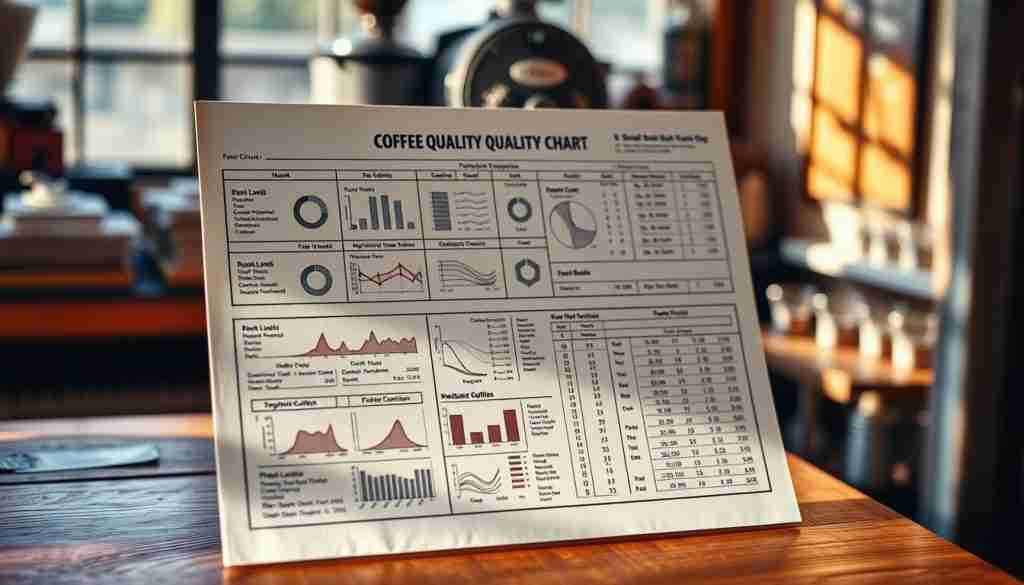
Precision meets passion in every carefully monitored roast. By focusing on smaller quantities, artisans like Confident Coffee Roasters maintain eagle-eyed oversight at every stage. “We taste-test 12 samples per batch,” explains their head roaster. “It’s the only way to guarantee peak freshness and eliminate defects.”
Consistency, Freshness, and Customer Experience
Small operations thrive on tight feedback loops. Roasters adjust recipes weekly based on bean moisture levels and customer preferences. Peregrine’s team, for instance, reduced roast times by 15 seconds last harvest to highlight a Colombian lot’s berry notes—a tweak impossible in mass production.
| Factor | Small-Batch | Large-Scale |
|---|---|---|
| Quality Checks | 8-12 per batch | 1-2 per day |
| Freshness Timeline | Roasted to order | 3-6 month shelf life |
| Flavor Customization | Seasonal adaptations | Fixed profiles |
Unlocking Unique Flavor Profiles
Artisans treat each harvest as a new puzzle. When Confident Coffee received unusually dense Ethiopian beans last spring, they extended the drying phase to develop honeyed undertones. The result? A limited-edition blend that sold out in 48 hours.
This hands-on approach turns variables into virtues. By controlling airflow during critical phases, roasters amplify natural characteristics—like boosting citrus zest in Guatemalan beans or mellowing Sumatra’s earthy tones. Every adjustment serves the final coffee experience, creating cups as distinctive as their origins.
Sustainability and Ethical Sourcing in Coffee Roasting
Behind every exceptional cup lies a commitment to people and planet. Small batch methods create ripple effects beyond flavor—they foster transparent supply chains and protect ecosystems. By prioritizing quality over quantity, artisans build relationships that benefit farmers and drinkers alike.
Supporting Local Farmers and Micro-Lot Sourcing
Direct partnerships with growers ensure fair wages and environmental stewardship. Roasters like Confident Coffee visit farms seasonally, selecting beans from specific plots to preserve regional flavors. “When we buy micro-lots,” explains Stephen Holmes, “we invest in communities—not just crops.”
This approach also reduces waste. Smaller harvests mean fewer imperfect beans reach consumers. Sustainable practices extend to processing methods, where water-saving techniques and organic fertilizers become standard.
Reducing Environmental Impact through Small Batches
Artisan operations use 40% less energy than industrial roasters, according to recent studies. Precise temperature controls and efficient equipment minimize carbon footprints. Even packaging shifts—many shops now use compostable bags instead of plastic.
Key benefits include:
- Lower greenhouse gas emissions per batch
- Reduced water usage during processing
- Zero-waste policies for coffee chaff and grounds
Customers savor more than taste—they join a movement. Every purchase supports ethical labor practices and protects biodiversity. As Holmes notes, “Great coffee shouldn’t cost the earth.”
Mastering Techniques and Equipment for Artisanal Roasting
The tools of the trade shape every nuance in your cup. Artisans rely on specialized equipment to translate their vision into flavor, balancing precision with creative freedom. As Stephen Holmes notes, “Your roaster isn’t just a machine—it’s an extension of your senses.”
Choosing Between Drum, Air, and Manual Roasters
Each roaster type offers distinct advantages for crafting exceptional coffee. Drum models use indirect heat for even development, ideal for chocolatey or nutty profiles. Air roasters circulate beans in hot air, preserving bright acidity in fruity blends. Manual options demand hands-on adjustments but unlock limitless experimentation.
| Type | Heat Source | Batch Size | Best For |
|---|---|---|---|
| Drum | Indirect conduction | 1-5 lbs | Traditional, balanced flavors |
| Air | Convection | 0.5-2 lbs | Bright, acidic profiles |
| Manual | Direct flame | Under 1 lb | Experimental micro-batches |
The Balance Between Tradition and Innovation
Modern tools like IoT sensors now complement century-old techniques. Confident Coffee blends drum roasting with software that tracks bean temperature every 3 seconds. Yet their team still adjusts airflow manually during critical phases, proving tech enhances—not replaces—human skill.
Mastery lies in adapting tools to each harvest’s needs. Whether reviving vintage methods or testing new gear, roasters who evolve their craft create cups that surprise and delight. After all, great equipment doesn’t make the artist—it amplifies their vision.
Conclusion
In the world of coffee craftsmanship, every decision shapes the final cup. The method behind artisanal practices prioritizes quality over quantity, ensuring each batch meets exacting standards. By blending tradition with modern tools, trusted coffee roasters create cups where floral notes dance alongside chocolate undertones—a testament to their meticulous approach.
Ethical sourcing and sustainability remain central to this industry. Direct farmer partnerships mean your morning brew supports communities while preserving ecosystems. Shops that roast in limited quantities also allow for seasonal adaptations, turning variables like bean density into flavor advantages.
Next time you visit your local shop, consider the journey behind each sip. Precision equipment choices and hands-on techniques maintain consistency without stifling creativity. This balance between innovation and heritage benefits everyone—from growers to customers craving exceptional taste.
The future of coffee lies in honoring time-tested practices while embracing progress. When you choose small-scale operations, you’re not just buying a drink—you’re sustaining a craft where every detail matters.