
Imagine sipping a brew that tells a story. Single origin coffee highlights beans grown in one specific region, offering a taste tied to its environment. Unlike blends, these beans showcase unique flavors shaped by soil, climate, and farming methods. This approach lets you experience a place through your cup.
Brands like The Coffee Bean & Tea Leaf and Stone Street Coffee prioritize traceability. Their offerings let you know exactly where your drink comes from. This transparency builds trust and connects drinkers to growers. Every sip reflects careful cultivation and ethical practices.
Why does this matter? Blends mix beans from multiple areas, balancing flavors but hiding individual character. Single origin varieties celebrate distinctive profiles, from fruity Ethiopian notes to chocolatey Colombian undertones. It’s like tasting a map.
Understanding a bean’s journey matters in modern coffee culture. Fans value knowing the farm, altitude, and processing methods. This knowledge transforms your morning ritual into a global adventure. Ready to explore?
Key Takeaways
- Single origin beans come from one geographic region
- Flavors reflect local growing conditions and traditions
- Top brands emphasize full supply chain transparency
- Offers unique taste experiences compared to blended coffee
- Connects drinkers directly to farming communities
Introduction to Single Origin Coffee
Unlock the secrets behind each cup with beans from a single source. This guide helps you explore how specific growing regions create distinctive tastes. You’ll learn to identify flavor notes, evaluate ethical sourcing, and make informed choices when adding items to your cart.
What You Will Learn in This Buyer’s Guide
We’ll break down how altitude and soil affect flavors in varieties like Costa Rica Tarrazu. Discover why Guatemala Antigua’s volcanic ash creates caramel undertones. You’ll also gain tips for spotting sustainable practices and fresh roast dates online.
Why Traceability and Quality Matter
Knowing a bean’s journey ensures you support fair wages and eco-friendly farming. Transparent brands share details about harvest dates and processing methods. This builds trust and guarantees you’re tasting authentic regional characteristics.
| Feature | Blends | Single Source |
|---|---|---|
| Flavor Complexity | Balanced | Bold & Distinct |
| Origin Transparency | Limited | Fully Documented |
| Best For | Everyday Brewing | Flavor Exploration |
Understanding these differences helps you shop smarter. Look for roast dates and farm partnerships when ordering. Many roasters offer subscriptions with free shipping – perfect for trying new regions risk-free.
The Journey of Coffee from Farm to Cup
Every sip of your morning brew starts with a story untold. From sun-drenched hillsides to your favorite mug, beans travel through skilled hands that shape their character. Let’s explore how ethical sourcing and regional magic create unforgettable flavors.
Building Bridges with Growers
Companies like Stone Street Coffee skip middlemen, partnering directly with farmers. This approach ensures fair pay and meticulous quality control. Small-batch roasting preserves each bean’s natural nuances, from citrusy brightness to earthy depth.
Terroir’s Flavor Fingerprint
Altitude, rainfall, and soil type leave unmistakable marks on your cup. Ethiopian highlands produce beans with floral jasmine notes, while Guatemalan volcanic slopes add chocolatey richness. These traits vanish when beans get blended.
| Region | Flavor Notes | Processing Method |
|---|---|---|
| Central America | Honey, Almond, Citrus | Washed |
| East Africa | Berry, Wine, Spice | Natural Sun-Dried |
Looking to taste these differences? Check out best coffee shops that prioritize traceability. Many let you track your beans’ journey from harvest to cart, creating a deeper connection with every purchase.
What Makes Single-Origin Coffee Unique?
Picture your taste buds traveling through misty mountains and sunlit valleys with every sip. Unlike blended varieties, these beans carry a geographic fingerprint shaped by local soil composition and microclimates. This connection to place creates flavors you won’t find in mixed batches.
Distinct Flavor Profiles
Stone Street Coffee’s Ethiopian Yirgacheffe bursts with wild blueberry notes and jasmine aromas. The Coffee Bean & Tea Leaf’s Colombian beans reveal caramel sweetness balanced by crisp acidity. These traits emerge because beans develop undiluted character when grown in one region.
| Aspect | Single-Origin | Blends |
|---|---|---|
| Taste Experience | Bold regional notes | Consistent flavor |
| Complexity | Layered acidity & aroma | Smooth uniformity |
| Best For | Flavor discovery | Daily drinking |
Comparing with Blended Coffees
Blends combine beans to mask imperfections and achieve balance. While reliable, they often lack the excitement of unblended brews. Connoisseurs treasure single-origin options for their:
- Bright citrus zips from Kenyan highlands
- Velvety chocolate undertones in Brazilian lots
- Unexpected floral hints in Panamanian harvests
These vibrant flavors appeal to explorers seeking authentic taste adventures. Brands now highlight growing elevations and processing techniques, letting you decode each cup’s origin story.
Exploring Single Origin Coffee Varieties
Embark on a flavor expedition through distinct growing regions. Each area crafts beans with unmistakable personalities shaped by local landscapes and traditions. Let’s uncover what makes certain lots stand out.
Costa Rica Tarrazu and Guatemala Antigua
Stone Street Coffee’s Costa Rica Tarrazu bursts with crisp citrus and honeyed sweetness. Grown in volcanic soil at high elevations, this brew delivers a clean finish loved by purists. Its balanced acidity makes it a crowd-pleaser for morning routines.
Guatemala Antigua offers a richer adventure. Expect velvety cocoa notes with whispers of spice, thanks to nutrient-dense ash from nearby volcanoes. These beans develop deeper flavors through extended drying processes under the region’s stable climate.
Other Notable Growing Areas
Beyond these stars, explore diverse profiles:
- Ethiopian Yirgacheffe: Floral aromas with berry-like brightness
- Brazilian Cerrado: Nutty undertones and creamy texture
- Sumatra Mandheling: Earthy depth with herbal complexity
Altitude and processing methods further refine each lot’s character. Light roasts highlight fruity highs, while darker roasts amplify chocolatey bases. Brands now detail these factors online, helping you match beans to your palate.
Single Origin Coffee: A Flavor Revolution
Your morning cup holds more than caffeine—it’s a passport to distant landscapes. Regional growing conditions craft taste experiences that redefine what a great brew can be. This movement celebrates purity over uniformity, letting drinkers discover bold characteristics often lost in mass-produced blends.
Understanding the True Taste of Your Beans
Stone Street Coffee’s small-batch roasting approach locks in delicate notes that industrial methods destroy. Their team adjusts temperatures and timing to highlight each lot’s natural assets. As one roaster explains: “We treat beans like heirloom tomatoes—handle with care, serve with pride.”
Geography writes the recipe for your drink’s personality. Ethiopian high-altitude beans develop floral brightness, while Colombian volcanic soil adds caramel depth. These differences emerge because:
- Soil minerals influence acidity levels
- Sun exposure affects sugar development
- Harvest timing impacts aromatic compounds
Compare these regional signatures:
| Region | Flavor Notes | Roast Style |
|---|---|---|
| Guatemala | Dark chocolate, spice | Medium-Dark |
| Costa Rica | Honey, citrus zest | Light-Medium |
Ready for a revelation? Try two regions side-by-side. Notice how Kenyan beans sparkle with blackcurrant vibrancy beside Sumatra’s earthy richness. This exploration turns coffee breaks into flavor expeditions—no plane ticket required.
Sourcing and Sustainability in the Coffee Industry
Behind every exceptional cup lies a network of dedicated hands. Ethical sourcing practices are reshaping how companies connect with growers, ensuring quality while protecting ecosystems. Stone Street Coffee leads this charge through partnerships that benefit both sippers and soil.
Power in Collective Action
Farmer cooperatives create shared resources for eco-friendly growing methods. By pooling knowledge and tools, growers adopt water conservation techniques and organic composting systems. These methods yield healthier crops while reducing chemical runoff into local watersheds.
Stone Street’s direct partnerships bypass middlemen, ensuring 40% higher pay for farming families. “When growers thrive, they invest back into their land,” explains their sustainability director. This cycle elevates bean quality through meticulous harvesting and processing timelines.
| Factor | Traditional Sourcing | Cooperative Sourcing |
|---|---|---|
| Farmer Income | Market Price | Fair Trade Premiums |
| Environmental Impact | High | Low |
| Traceability Level | Limited | Farm-to-Bag Details |
| Flavor Consistency | Variable | Controlled |
Consumers now demand proof of ethical practices. Brands respond with QR codes linking to farm profiles and harvest videos. When you order these beans, you’re supporting carbon-neutral shipping initiatives and renewable energy projects at processing centers.
This transparency builds lasting trust. Each purchase becomes a vote for healthier farms and richer flavors – a win for your palate and the planet.
Choosing the Perfect Roast for Your Taste
Your brew’s character isn’t just about where beans grow—it’s shaped by fire. Roast levels transform raw green beans into aromatic treasures, unlocking flavors that suit different preferences. Let’s explore how heat application turns the same beans into wildly different experiences.
Light, Medium, and Dark Roast Options
Stone Street Coffee offers three main roast intensities across their one-pound, two-pound, and five-pound bags. Light roasts stop at first crack, preserving delicate floral notes. Medium roasts reach caramelization stages, balancing acidity with sweetness. Dark roasts push to second crack, developing bold smoky tones.
| Roast Level | Acidity | Body | Flavor Notes |
|---|---|---|---|
| Light | Bright | Light | Lemon, Jasmine, Peach |
| Medium | Balanced | Velvety | Caramel, Nut, Cocoa |
| Dark | Low | Heavy | Dark Chocolate, Toast, Spice |
How Roast Level Influences Flavor
Longer roasting times reduce acidity while increasing bitter compounds. Light roasts highlight the bean’s natural profile—perfect for fruity African varieties. Dark roasts mask subtle notes but deliver intense richness loved in espresso.
Consider these pairing tips:
- Morning drinkers often prefer medium roasts for balanced energy
- Iced brew enthusiasts lean toward light roasts’ crisp finish
- Dessert pairings shine with dark roast’s chocolate undertones
When shopping online, check product descriptions for roast dates and tasting notes. Many roasters offer sample packs—ideal for home experimentation without commitment. Remember: freshness matters most with lighter roasts, as their delicate flavors fade faster.
Brewing Methods for Maximum Flavor
Your morning ritual deserves more than a generic cup—it’s a chance to spotlight hidden flavors. Three popular approaches let you control extraction and highlight specific taste notes. Master these techniques to transform your kitchen into a personal café.
Home Brewing Techniques
Pour-over methods like Chemex emphasize clarity. Hot water flows evenly through medium-fine grounds, capturing bright acidity. French press brewing uses coarse grinds steeped for four minutes, producing full-bodied richness.
Drip machines offer convenience but require attention. Use fresh filters and pause mid-brew to stir grounds. This prevents channeling and ensures even extraction. Always rinse paper filters first—they can impart cardboard tastes otherwise.
Matching Grind Size to Brew Method
Grind consistency determines how water interacts with grounds. Too fine? Over-extracted bitterness. Too coarse? Weak, underwhelming sips. Follow this cheat sheet:
| Method | Grind Texture | Brew Time |
|---|---|---|
| Espresso | Fine (like sugar) | 25-30 seconds |
| Pour-Over | Medium (sea salt) | 2-3 minutes |
| Cold Brew | Coarse (breadcrumbs) | 12+ hours |
Start with filtered water heated to 195-205°F. Measure beans by weight—two tablespoons per six ounces works for most setups. Experiment with ratios to find your sweet spot. One roaster suggests: “Adjust one variable at a time. Change grind size before altering brew time.”
Remember: your perfect cup might require five attempts. Track changes in a notebook. Soon, you’ll pull nuanced caramel tones from Brazilian beans or amplify Ethiopian berry zing—all before your first email.
Ensuring Freshness and Proper Storage
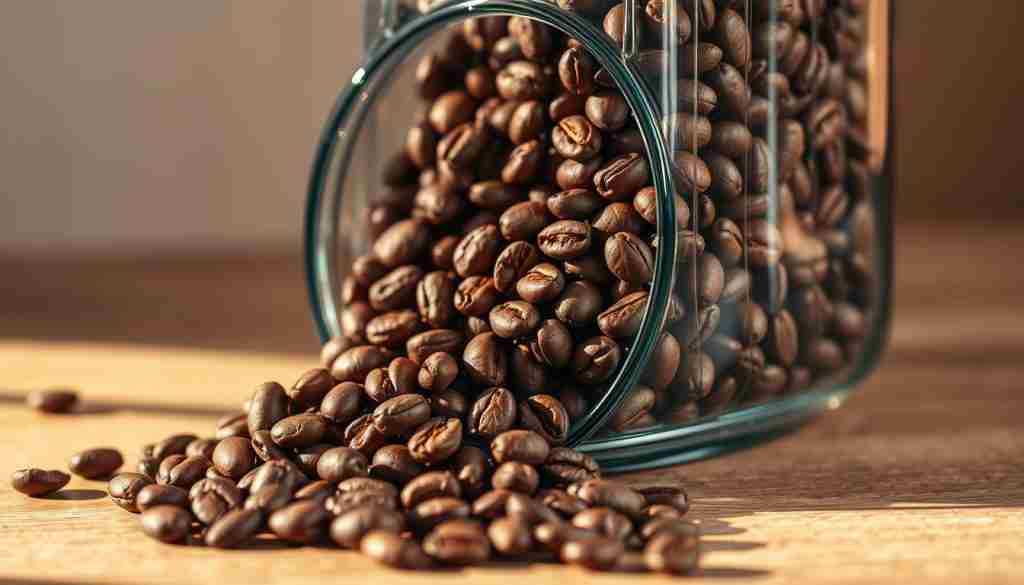
That first sip of morning brew depends on more than brewing skills. Freshness determines whether you taste vibrant citrus zest or stale cardboard notes. Stone Street Coffee stamps roast dates on every bag because time is flavor’s greatest enemy.
Secrets Behind the Seal
Quality packaging blocks light, air, and moisture—three freshness killers. Look for bags with one-way valves that let gases escape without oxygen entering. Stone Street uses triple-layered foil pouches to lock in aromas from roast day to your doorstep.
Follow these storage rules to preserve taste:
- Keep beans whole until brewing day
- Store in airtight containers away from heat
- Never refrigerate—condensation ruins texture
| Packaging Type | Freshness Window |
|---|---|
| Valve-sealed bags | 4-6 weeks |
| Transparent bags | 2-3 weeks |
When ordering online, check product pages for roast dates within 7 days. Reputable sellers like Stone Street prioritize quick shipping to minimize transit time. Their subscription service delivers new batches automatically, ensuring you never brew stale grounds.
Remember: Premium quality means transparency. If a bag lacks a roast date, question its journey. Freshness isn’t optional—it’s the difference between ordinary and extraordinary.
Buying Guide Tips for Coffee Connoisseurs
Navigating online stores for premium beans requires a discerning eye. Savvy shoppers know quality hinges on details often buried in product listings. Let’s explore how to spot exceptional lots and avoid underwhelming purchases.
What to Look for When Ordering Online
Start by scrutinizing product descriptions. Trustworthy sellers like Stone Street Coffee specify harvest dates, processing methods, and elevation ranges. Missing these details? That’s a red flag. One roaster notes: “Transparency builds trust—if we can’t share the farm’s name, we won’t sell the beans.”
Reviews reveal hidden truths. Look for consistent praise about freshness and flavor accuracy. Be wary of generic comments like “tastes great”—seek specifics about acidity, body, or aroma. Verified buyer photos of packaging can confirm roast date visibility.
| Feature | Stone Street Coffee | The Coffee Bean & Tea Leaf |
|---|---|---|
| Roast Date Display | Front of bag | Bottom panel |
| Subscription Perks | 15% off + free shipping | 10% discount |
| Farm Transparency | GPS coordinates | Region only |
Leverage subscription models wisely. Many shops waive shipping fees for recurring orders—ideal for maintaining fresh supplies. Before committing, test small batches through trial sizes. Always review cart totals for unexpected charges before finalizing purchases.
Remember: Your perfect brew awaits those who read between the lines. Prioritize sellers who celebrate their growers’ stories as much as their flavors.
Navigating the Online Coffee Marketplace
Your next favorite brew might be just a click away. Digital storefronts now showcase beans with the care once reserved for fine wines, letting you explore global flavors from home. Leading sellers like Stone Street Coffee and The Coffee Bean & Tea Leaf craft distinct shopping experiences through their curated collections.
Highlights from Leading Shops
Stone Street’s product page feels like a sommelier’s notebook. Each lot includes elevation maps, farmer interviews, and brew method suggestions. Their “From the Volcanic Slopes” collection groups Central American beans by soil type, helping you pinpoint flavor preferences.
The Coffee Bean & Tea Leaf takes a different approach. Their “Taste Explorer” series simplifies discovery with flavor-based categories like “Fruity & Bright” or “Rich & Earthy.” Subscribers get first access to limited-edition lots, with free shipping on recurring orders.
| Feature | Stone Street | The Coffee Bean |
|---|---|---|
| Search Filters | Region, Altitude, Process | Flavor Notes, Roast Level |
| Subscription Perks | Farm Updates + Brew Guides | Exclusive Blends + Discounts |
Smart shoppers watch for roast dates near the top of product descriptions. Many sites let you filter by freshness—crucial for capturing vibrant tasting notes. Bookmark pages that detail processing methods; these often reveal hidden flavor gems.
Comparing Popular Single-Origin Coffee Brands
How do leading roasters turn geography into taste? Stone Street Coffee and The Coffee Bean & Tea Leaf approach this challenge differently, crafting distinct experiences from farm to cup. Their methods reveal why some drinkers become lifelong fans of specific labels.
Sourcing and Craftsmanship
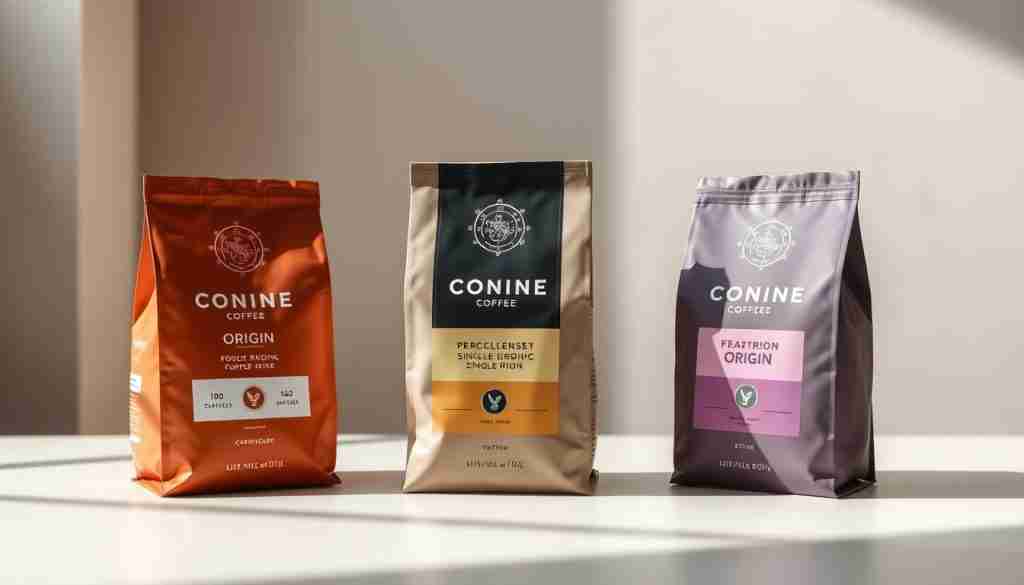
Stone Street works directly with small farms, visiting growers twice yearly to ensure strict quality controls. Their Colombian Huila lot comes from a cooperative using solar-powered drying stations. In contrast, The Coffee Bean & Tea Leaf sources through regional brokers but maintains traceability via blockchain technology.
| Brand | Roast Style | Popular Product | Consumer Rating |
|---|---|---|---|
| Stone Street | Medium-Dark | Ethiopian Sidamo (Berry + Cocoa) | 4.8/5 (2K+ reviews) |
| The Coffee Bean | Light-Medium | Guatemala Antigua (Caramel + Spice) | 4.6/5 (3.5K+ reviews) |
Flavor profiles showcase their philosophies. Stone Street’s roasts emphasize body and chocolate undertones, while The Coffee Bean highlights bright acidity. Fans praise Stone Street’s consistency in seasonal releases but note The Coffee Bean’s wider retail availability.
Both brands offer subscriptions with free shipping. Stone Street includes brewing guides with each delivery, while The Coffee Bean provides access to limited-edition lots. Your choice depends on whether you prioritize artisanal craftsmanship or convenient discovery.
Enhancing Your Home Coffee Experience
Your kitchen holds untapped potential for crafting café-quality drinks. Mastering a few key techniques transforms ordinary mornings into flavor adventures. Let’s explore how small tweaks to your routine can unlock bold new tastes.
Grinding Techniques and Brew Methods
Grind consistency makes or breaks your brew. Uneven particles lead to over-extracted bitterness or weak, sour notes. Invest in a burr grinder—it crushes beans uniformly, unlike blade models that create dust and chunks.
Match your grind size to the brewing style:
- French press: Coarse texture (like breadcrumbs)
- Pour-over: Medium grit (similar to sand)
- Espresso: Fine powder (think table salt)
| Method | Brew Time | Ideal Temperature |
|---|---|---|
| AeroPress | 1-2 minutes | 175°F |
| Cold Brew | 12+ hours | Room Temp |
Stone Street Coffee’s brewing guides emphasize equipment calibration. “Adjust your grinder’s settings weekly—humidity changes affect particle size,” advises their head roaster. Pair this with a digital scale for precise bean-to-water ratios.
Don’t overlook water quality. Filtered water prevents mineral buildup in machines and lets delicate flavors shine. Try these quick upgrades:
- Preheat your mug to maintain drink temperature
- Stir grounds during brewing for even saturation
- Clean equipment monthly with vinegar solutions
Experimentation is key. Shift your grind one notch finer if drinks taste weak. Extend brew time by 15 seconds for richer body. Each tweak reveals hidden layers in your beans—turn trial and error into delicious discovery.
Practical Tips for Ordering and Subscription Options
Ready to transform clicks into delicious deliveries? Navigating online coffee purchases requires strategy. Let’s break down how to streamline your shopping experience while maximizing value.
Understanding the Cart and Order Process
Stone Street Coffee’s checkout flow prioritizes simplicity. Start by selecting your preferred roast and size—options range from 12-ounce trial bags to five-pound bulk orders. The cart automatically applies subscription discounts, with clear price breakdowns before payment. Pro tip: Review your selections twice. Many shoppers overlook roast level preferences when rushing through checkout.
Common troubleshooting steps include:
- Clearing browser cookies if promo codes won’t apply
- Checking zip code accuracy for shipping estimates
- Verifying card expiration dates during payment
Benefits of Subscribe & Save Offers
Recurring orders unlock perks beyond convenience. Stone Street’s subscribers save 15% plus enjoy free shipping on every delivery. Their flexible system lets you:
- Pause or modify schedules anytime
- Swap flavors between shipments
- Receive exclusive brewing guides
| Plan | Savings | Shipping |
|---|---|---|
| Monthly | 10% + Free Mug | Free Ground |
| Biweekly | 15% + Priority Shipping | 2-Day Air |
For those exploring multiple regions, mail-order subscriptions guide recommends starting with sampler packs. Many roasters offer first-time discounts, letting you taste-test before committing to larger quantities. Remember: Freshness guarantees often require ordering directly from the roaster’s site rather than third-party sellers.
Conclusion
Your journey through the world of exceptional brews reveals how geography shapes every sip. Beans from one region carry distinct characteristics—volcanic soil’s mineral richness, tropical rainfall’s fruity zing, and artisanal drying methods all leave their mark. These elements vanish when mixed with other lots, making unblended options ideal for flavor discovery.
Mastering your brew technique and storage habits unlocks each bag’s full potential. Light roasts from high-altitude farms demand precise grinding, while dark varieties thrive in French press immersion. Proper storage preserves delicate notes, turning morning routines into curated tastings.
Explore online collections showcasing Costa Rica’s honeyed brightness or Ethiopia’s floral complexity. Many roasters offer flexible subscriptions with farm-to-cup transparency. Each purchase supports sustainable practices while delivering adventures in every cup.
Ready to taste the difference? Dive into small-batch selections from trusted sources. Your perfect flavors await—one region, one story, one unforgettable sip at a time.
FAQ
What is the single origin coffee market and how does it fit into the broader coffee market?
The single origin coffee market refers to coffee sold where beans come from a specific country, region, estate, or single farm, highlighting traceability and terroir. It is a growing segment of the broader coffee market and coffee sector, overlapping with specialty coffee and premium coffee offerings. Single-origin beans often target specialty coffee consumers, coffee enthusiasts, and coffee professionals who prioritize coffee’s origin, quality of the coffee, and sustainable sourcing.
Why are specialty coffee consumers and coffee drinkers drawn to single-origin coffee?
Specialty coffee consumers and coffee drinkers value the distinctive flavor profiles that single-origin beans reveal, which reflect soil, altitude, and processing. Demand for specialty coffee and quality coffee has risen because coffee lovers and coffee enthusiasts seek transparency about coffee production, sustainably sourced coffee, and unique tasting notes that differ from blended or commodity ground coffee.
How do coffee roasters and specialty coffee shops source and use single-origin beans?
Coffee roasters, from established names to local specialty coffee shops, source single-origin coffee through direct trade, cooperatives, or importers to secure traceability and quality. Roasters like those in the specialty coffee movement and specialty coffee brands roast single-origin coffee to highlight origin characteristics, often offering whole bean coffee or ground coffee for coffee at home and for brew methods in cafés.
What is the global single origin coffee market size and single-origin coffee market size outlook?
Exact figures fluctuate with market reports, but the global single-origin coffee market has expanded alongside the specialty coffee segment due to rising demand for premium coffee and transparency. Market analysts report steady growth driven by specialty coffee consumers, increased coffee production focused on single-origin beans, and expansion of specialty coffee shops and online coffee stores offering single estate and estate coffee.
How does single-origin coffee impact coffee farmers and coffee production practices?
Single-origin coffee can provide premiums and stronger relationships between coffee producers and buyers when certified or sold via direct trade, benefiting coffee farmers and single farms that invest in quality and traceable practices. However, it also requires consistent quality and often higher processing standards; farmers may adopt sustainable practices and specialty processing to meet buyer expectations and to access markets like specialty coffee shops and roasters.
What should coffee consumers know about quality of the coffee and single-origin labels?
Consumers should know that “single-origin” indicates geographic specificity but not automatically higher quality—quality depends on coffee production, processing, and roasting. Look for roast date, tasting notes, producer information, and certifications (when relevant). Specialty coffee consumers often prefer light to medium roasts from reputable coffee roasters and specialty coffee brands to appreciate single-origin flavors.
Can single-origin coffee be sustainably sourced and how does that affect the coffee business?
Yes, many single-origin coffees are marketed as sustainably sourced, with programs supporting environmental stewardship and fairer compensation for coffee farmers. Sustainability practices can increase costs but also add value for premium coffee consumers, influencing the coffee business by encouraging transparency, traceability, and partnerships between coffee producers, roasters, and specialty coffee shops.
How do trends from specialty coffee brands and coffee enthusiasts shape the single-origin coffee industry?
Trends set by specialty coffee brands, coffee enthusiasts, and coffee professionals—such as emphasis on micro-lots, single-estate releases, and experimental processing—drive interest in the single-origin coffee industry. Influential roasters and cafés, including well-known specialty names and local heart coffee roasters or lab-focused outfits, help educate coffee drinkers and expand the market for single-origin beans and single-origin coffee production.
What is the difference between single origins, single estate, and single farm coffees?
Single origins is the broadest label, meaning beans traced to one country or growing region, such as Ethiopia or Colombia. Single estate and single farm coffees narrow the traceability to one named farm or estate, while micro-lots go further still, sourcing from a single plot or picking lot within that farm. Tighter traceability generally signals more distinctive flavor and stronger provenance story, which is why coffee roasters and specialty coffee shops often highlight single estate and single farm releases at a premium.
Which coffee roasting brands and specialty roasters define the single-origin coffee market?
Several influential roasting brands built their reputations on single-origin sourcing and helped mainstream the category. Blue Bottle Coffee, Intelligentsia Coffee, Stumptown Coffee Roasters, Counter Culture Coffee, Onyx Coffee Lab, Verve Coffee Roasters, and Peet’s Coffee all publish origin details, roast dates, and tasting notes for their coffees, setting consumer expectations for traceability and coffee quality. Their influence extends through coffee manufacturing and retail, encouraging direct relationships with coffee farmers and transparent sourcing that smaller roasters now emulate.
How does arabica coffee shape coffee quality across different origin coffees?
Arabica coffee is the dominant coffee type in the specialty market and the species behind most single-origin offerings, prized for its sweetness, acidity, and aromatic complexity. Coffee quality is commonly graded through cupping protocols aligned with the Specialty Coffee Association, with specialty-grade arabica scoring 80 points or above. Because arabica is highly sensitive to altitude, climate, and terroir, each coffee type from different single origins expresses distinct flavor characteristics that coffee consumers and coffee enthusiasts can learn to recognise.