
Every day, over a billion people enjoy coffee, making it one of the world’s most beloved beverages. But behind every sip lies a complex journey involving millions of farmers who often face unpredictable income and challenging working conditions. This is where ethically sourced coffee steps in, blending great taste with social responsibility.
For the 125 million people relying on coffee farming, unstable prices can mean the difference between thriving and barely surviving. Traditional markets leave many growers vulnerable, but programs like Fairtrade create a safety net. These initiatives guarantee a minimum price for harvests, ensuring farmers earn enough to support their families.
Choosing ethical products doesn’t mean sacrificing flavor. High-quality beans grown through sustainable practices often deliver richer, smoother profiles. Many organic options also avoid harmful chemicals, benefiting both drinkers and the environment.
This article explores how conscious choices in your morning brew can uplift communities while delivering exceptional taste. Let’s dive into brands that prioritize people and planet—without compromising on that perfect cup.
Key Takeaways
- Over a billion cups of coffee are consumed daily worldwide.
- 125 million farmers face income instability due to fluctuating market prices.
- Ethical sourcing programs provide financial security through guaranteed minimum payments.
- Sustainable farming practices often enhance bean quality and flavor.
- Consumers can enjoy premium coffee while supporting equitable livelihoods.
Understanding the Global Coffee Landscape
Behind every sip of coffee lies a vast network spanning continents and communities. This billion-dollar industry fuels economies from Central American highlands to African valleys, yet its complexity often leaves growers disconnected from the value of their work.
Coffee’s Economic and Social Impact
In countries like Honduras and Kenya, coffee drives local economic stability. Over 25 million small-scale growers depend on these crops, but unpredictable weather and pests threaten harvests yearly. When prices swing wildly, families struggle to afford basics like school supplies or medical care.
Complexities of the Global Supply Chain
Your morning brew might pass through 10+ hands before reaching your mug. Farmers sell to local traders, who then move crops to processors and exporters. By the time beans reach roasters, their origin story often fades. A Vietnamese grower explained: “We hear about global prices on the radio, but never know what our harvest will earn.”
Market swings hit hard. A drought in Brazil or fungus outbreak in Colombia can double costs overnight. Meanwhile, many farmers lack resources to adopt organic practices that protect both land and livelihoods. This disconnect shows why transparency matters in every blend we choose.
What Makes Fair Trade Beans Stand Out
Your morning cup does more than wake you up—it shapes lives. Unlike conventional options, ethically sourced brews prioritize both people and ecosystems. Let’s explore what sets these beans apart.
Sustainable Sourcing and Ethical Practices
Farmers growing certified crops receive a guaranteed minimum price, shielding them from market crashes. This safety net lets families plan for school fees or farm upgrades. One Colombian grower shared: “Before certifications, we worried every harvest. Now, we invest in better tools.”
Organic methods reduce chemical runoff, protecting local water sources. Shade-grown plants also preserve bird habitats, creating healthier ecosystems. Communities gain access to training on soil health and climate adaptation—skills that last generations.
Quality, Mission, and Community Benefits
Superior flavor often comes from careful cultivation. Hand-picked cherries and slower drying processes create complex flavors in every bag. Roasters committed to ethical partnerships frequently visit farms, strengthening trust and craftsmanship.
Extra funds from certification premiums build schools and medical clinics. In Guatemala, a cooperative used these resources to launch a women’s literacy program. When you choose mission-driven brands, your drip coffee fuels lasting change—one sip at a time.
How Fair Trade Practices Empower Farmers
Your coffee choice ripples across continents, directly impacting those who cultivate your favorite brew. Certified programs create lifelines for growers by addressing financial instability and fostering community growth.

Price Stability Through Collective Action
When global coffee prices plummet, small-scale growers face impossible choices. Ethical certification ensures a safety net price covering production costs even during market crashes. “This guarantee lets us sleep at night,” shares a Nicaraguan producer. “We can finally save for equipment instead of living harvest-to-harvest.”
Additional premiums from certified sales fund transformative projects. A Ugandan cooperative recently purchased bean sorting machines, tripling their product value. Others invest in solar dryers to reduce crop losses during rainy seasons.
Rooted Growth Beyond the Farm
Communities channel these resources into education and healthcare. In Peru, premiums built a youth training center teaching barista skills and organic farming. Ethiopian growers launched guided farm tours, creating new income streams through agrotourism.
These initiatives build climate resilience too. Honduran farmers now plant disease-resistant coffee varieties alongside fruit trees, diversifying harvests against unpredictable weather. When growers thrive, they reinvest in quality improvements—better pruning techniques and eco-friendly processing methods that elevate every cup.
Exploring Top Ethical Coffee Brands
Your coffee ritual becomes a force for good when you choose brands that prioritize people and planet. These companies prove that exceptional quality and social impact can coexist in every cup.
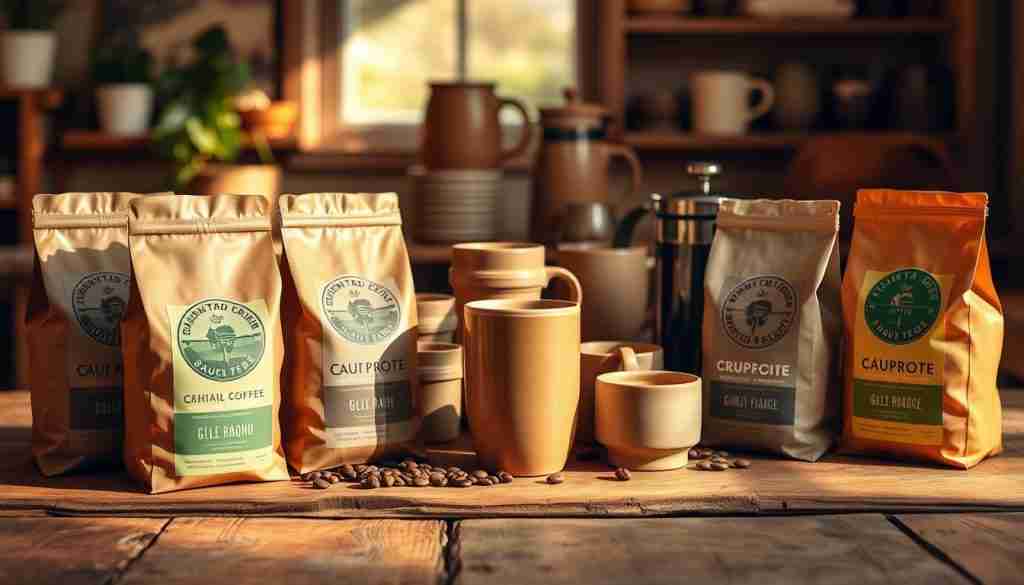
Featured Certifications and Partnerships
Brooklyn Roasting Company stands out with its carbon-neutral operations and direct partnerships with growers. Their USDA Organic Ethiopian blend ensures farmers receive 30% above market price. Café Altura takes it further by using regenerative farming methods that restore soil health across Mexican cooperatives.
Ethical Bean Coffee, founded by a Canadian couple advocating for transparency, tracks every lot from farm to bag. Their light roast Peruvian blend supports women-led farming collectives. Mount Hagen’s organic instant coffee offers convenience without compromise, sourcing from Papua New Guinean growers practicing shade-grown techniques.
Stories Brewing Change
Each brand carries a unique origin story. Café Altura began when a California family noticed chemical runoff damaging local ecosystems—now they fund water filtration systems globally. Brooklyn Roasting’s “Coffee for Peace” initiative partners with Colombian farmers transitioning from coca crops to premium arabica.
When you shop these labels, you join a movement. As one Nicaraguan grower shared: “These partnerships let us send kids to school instead of fields.” Look for certifications like Fairtrade or Rainforest Alliance to ensure your brew aligns with your values. Great coffee tastes even better when it lifts communities.
Navigating Pricing and Market Trends
Coffee lovers are facing sticker shock at grocery stores as global market shifts reshape pricing. Green coffee costs recently hit historic highs—up $0.60 per pound for bulk whole bean products. Climate disruptions and supply chain snarls create a perfect storm affecting everyone from farmers to your morning drip.
Impact of Global Commodity Price Changes
Brazilian droughts and Colombian floods now directly impact your shopping cart. A Guatemalan exporter notes: “Five years ago, we worried about quality. Now we fear losing entire crops.” Roasters face tough choices—absorb costs or raise retail prices, risking customer backlash.
Small coffee businesses feel the squeeze most. Independent shops report switching to blended roasts to maintain margins. Meanwhile, large chains use long-term contracts to buffer shocks, leaving smaller buyers exposed to daily market swings.
Adapting to Climate Change and Market Volatility
Forward-thinking companies invest in climate-resilient practices. Some Ethiopian farmers now grow drought-resistant varieties alongside shade trees. Costa Rican cooperatives use mobile apps to track real-time weather data, adjusting harvest schedules hourly.
Consumers can adapt too:
- Try budget-friendly coffees from emerging regions like Laos
- Buy smaller batches to reduce waste
- Support brands offering price-lock subscriptions
As one Seattle roaster puts it: “Flexibility is the new normal. We’re all learning to work smarter, not harder.” Through creative solutions, both businesses and drinkers can weather these turbulent times.
Tips for Selecting Delicious and Ethical Coffee
Finding your perfect cup starts with your senses. Aroma whispers secrets about freshness, while flavor tells stories of soil and care. Let’s explore how to choose brews that delight your palate and honor those who grow them.
Evaluating Roast Quality and Flavor Profiles
Start by smelling the coffee. Freshly roasted beans release vibrant scents—look for notes like citrus or caramel. Avoid flat or burnt odors, which signal over-roasting. Light roasts often highlight fruity acidity, while dark roasts emphasize bold, chocolatey tones.
Check packaging dates. Optimal flavor peaks 7-14 days post-roast. One Seattle barista advises: “Coffee is a fresh crop. Treat it like bread—consume it within three weeks for best taste.”
| Roast Level | Flavor Notes | Best For |
|---|---|---|
| Light | Floral, Berry, Tea-like | Pour-over methods |
| Medium | Nutty, Caramel, Balanced | Drip brewers |
| Dark | Smoky, Cocoa, Bold | Espresso drinks |
Seek transparency in sourcing. Brands sharing farm locations or harvest dates often prioritize quality relationships. Look for Fairtrade or USDA Organic seals—these certifications verify fair prices and eco-friendly practices.
Read reviews focusing on consistency. A great blend should taste the same across batches. Lastly, consider smaller bags if you drink less frequently—this keeps your morning ritual fresh and impactful.
Conclusion
Your daily brew holds power beyond flavor—it’s a vote for equitable farming worldwide. By choosing ethically sourced coffee, you help stabilize price floors for farmers while funding schools and eco-projects. Each purchase supports organic methods that protect ecosystems and create complex flavor profiles in your cup.
Mission-driven labels like those we’ve featured prove quality and conscience coexist. Their partnerships uplift communities through climate-smart training and premium blend development. As market trends shift toward transparency, these brands lead with accountability from crop to roast.
When you prioritize ethical practices, you’re not just buying a product—you’re investing in the soul of coffee culture. Let your morning ritual fuel a brighter future where every sip honors the hands that grew it. Great coffee tastes even richer when it brews positive change.