
Did you know 67% of American adults drink coffee daily? This beloved ritual fuels more than mornings—it connects us to communities worldwide. Choosing fair trade options ensures every sip supports farmers and protects their livelihoods.
When you pick sustainably produced coffee, you help families earn fair wages. Organizations like Fair Trade Certified have delivered over $1 billion in benefits since 1998. This means stability for growers, even when markets shift.
Your morning cup holds power. It can fight deforestation, promote eco-friendly farming, and uplift entire regions. More companies now prioritize ground coffee from ethical suppliers, making it easier to shop responsibly.
Let’s explore how your choices shape the industry. From bean to brew, every step matters. Together, we can brew a brighter future.
Key Takeaways
- 67% of U.S. adults drink coffee daily, making it a cultural staple.
- Fair Trade Certified has provided $1 billion in cumulative benefits to farmers since 1998.
- Ethical sourcing protects growers from unstable market prices.
- Your coffee purchases directly impact environmental and social outcomes.
- Many brands now offer sustainably produced ground coffee options.
Introduction to Ethically Sourced Beans
What if your morning coffee could change lives? Fair trade practices make this possible by ensuring farmers earn living wages and work in safe conditions. These standards transform coffee from a commodity into a tool for equity.
When you see “Fair Trade Certified™” on packaging, it means the company meets strict social and environmental guidelines. This certification guarantees prices stay above market minimums, shielding growers from price crashes. Over 1.8 million farmers worldwide benefit from these protections.
“Choosing fair trade isn’t just about quality—it’s about dignity,”
Your daily brew connects you to farming communities. Opting for trade coffee supports schools, healthcare, and eco-friendly farming methods. Many coffee companies now offer ground and instant coffee options with these certifications, making ethical choices accessible.
Next time you shop, check labels for terms like “organic fair trade” or “direct trade.” These details reveal how brands prioritize people and the planet. Your decision at the shop counter ripples across continents, shaping industry standards one bag of bean coffee at a time.
Ready to dive deeper? Upcoming sections will decode certifications and teach you to spot truly responsible brands.
Understanding Fair Trade and Sustainable Coffee Practices
Certifications do more than label your coffee—they rewrite futures. Behind every bag of ground coffee lies a system designed to protect farmers and ecosystems. Let’s unpack how these standards create real change.
Fair Trade Certifications and Their Importance
When a company earns a Fair Trade seal, it agrees to pay growers at least $1.40 per pound—25% above market averages. This safety net shields farmers during price drops. Funds from each sale also support schools, clean water projects, and organic farming training.
For example, Fair Trade Certified’s coffee guide shows how premiums built 12 new health clinics in Colombian communities last year. These tangible results prove certifications aren’t just symbols—they’re lifelines.
How Sustainability Impacts Coffee Production
Eco-friendly practices like shade-grown crops and water conservation boost both quality and yields. Healthier soil means richer flavors in your espresso or instant coffee. Brands committed to equal exchange often use solar dryers and compost waste, reducing their environmental footprint by up to 40%.
Choosing coffee beans from these farms supports biodiversity. Birds return to pesticide-free fields, natural pest control thrives, and communities gain long-term stability. It’s a win for your palate and the planet.
The Impact on Farmers, Workers, and Local Communities
Your coffee choice does more than wake you up—it can rebuild villages and protect ecosystems. Fair trade practices create a domino effect, transforming entire regions through every bag sold.
Empowering Farmers Through Fair Trade Premiums
When you buy ground coffee with Fair Trade Certified labels, farmers earn an extra $0.20 per pound. This premium lets growers invest in better tools, education, and healthcare. In Guatemala, these funds helped 300 families install water filtration systems last year.
A company committed to fair pricing ensures stability during market crashes. Farmers can plan long-term—like planting disease-resistant crops—instead of scrambling to survive. This security ripples through local economies, creating jobs and reducing poverty.
Community Development and Environmental Benefits
Communities vote on how to spend Fair Trade’s Community Development Funds. Recent projects include:
- Building 4 new schools in Ethiopian coffee regions
- Training 1,200 farmers in organic pest control methods
- Planting 50,000 shade trees to prevent soil erosion
“Our children now walk to school instead of carrying coffee sacks,”
Eco-friendly practices required by fair trade certifications reduce chemical use by 35%. Healthier soil means tastier coffee beans and cleaner waterways. Workers also gain safer conditions, with protective gear and fairer hours.
Every purchase fuels this cycle. Your morning ritual becomes a force for education, reforestation, and dignity—one cup at a time.
Choosing Your Ethically Sourced Beans
Navigating coffee labels feels like decoding a secret language—until you know what matters. Let’s simplify your next shop trip by spotlighting the symbols and terms that guarantee quality and fairness.
What to Look for on Coffee Labels
Trustworthy certifications act like nutrition facts for conscience-driven buyers. Prioritize these seals:
- Fair Trade Certified: Ensures farmers earn living wages
- USDA Organic: Guarantees pesticide-free farming
- Rainforest Alliance: Protects ecosystems and workers
Avoid vague terms like “artisan” or “premium.” True ethical companies name their cooperatives or regions—think “Colombian Huila Cooperative” instead of “South American blend.”
Comparing Fair Trade, Organic, and Direct Trade Options
Each label serves different priorities:
| Certification | Focus | Best For |
|---|---|---|
| Fair Trade | Social equity | Community impact |
| Organic | Soil health | Chemical-free brewing |
| Direct Trade | Farmer relationships | Quality transparency |
Whole bean coffee often outperforms pre-ground options in freshness and flavor retention. Brands like Counter Culture and Intelligentsia excel in direct trade, sourcing specific lots while funding local schools.
“Labels tell stories—choose ones where farmers are the authors.”
Skip single-use pods, which generate 400% more waste than traditional methods. Instead, opt for ground or whole beans in compostable bags. Your choices shape both your cup and the planet’s future.
Buyer’s Guide: How to Evaluate Ethically Sourced Beans
Your coffee purchases shape global supply chains—here’s how to make every scoop count. Start by scanning labels for third-party certifications, which act as your ethical compass. These badges reveal more about a product’s journey than any marketing claim.
Key Certifications and Their Meanings
Not all labels guarantee fairness. Focus on these verified seals:
- Fair Trade Certified: Ensures farmers earn $1.40+/lb and bans child labor
- USDA Organic: Requires 95%+ organic ingredients and eco-friendly farming
- Rainforest Alliance: Combines social equity with wildlife protection standards
| Certification | Focus | Trust Level |
|---|---|---|
| Fair Trade | Farmer wages | High (annual audits) |
| Organic | Soil health | Moderate (chemical testing) |
| Rainforest Alliance | Ecosystems | High (site inspections) |
Tips for Verifying Ethical Practices
Look beyond packaging. Brands like Grumpy Mule and BLK Bold publish farm partnerships online—real transparency leaves a paper trail. Check company websites for:
- Direct trade partnerships with cooperatives
- Annual sustainability reports
- Farmer income disclosures
“Ask your barista who roasted the beans—reputable shops know their suppliers by name.”
Ground coffee from ethical companies often costs 10-15% more—a fair price for living wages. Bookmark resources like Fair Trade USA’s brand directory to simplify future purchases. Your choices today set industry standards for tomorrow.
Deconstructing the Value of Fair Trade Coffee Brands
Ever wonder which coffee brands truly walk the talk on fairness? Leading coffee roasters blend quality with conscience, creating blends that taste good and do good. Their secret? Going beyond basic certifications to build lasting partnerships with growers.
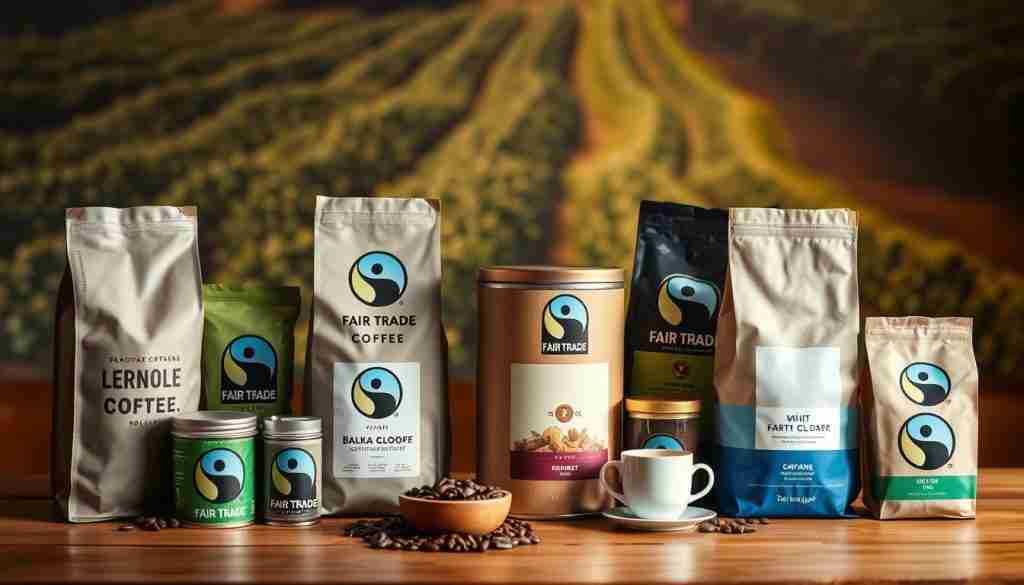
Spotlight on Notable Coffee Roasters and Brands
Equator Coffees stands out with its direct trade approach, paying 30% above market rates to Tanzanian farmers. Their team visits farms quarterly, ensuring workers have healthcare and education access. Meanwhile, Two Rivers Coffee crafts organic fair trade blends while using 100% plastic-free coffee pods—proving convenience and sustainability can coexist.
UK-based Grumpy Mule takes transparency further. Their bags feature farmer profiles and harvest dates, connecting drinkers to the source. “We want every sip to remind people of the hands that cultivated it,” says their head roaster.
These companies excel by:
- Funding clean water projects in Guatemala
- Using solar energy for bean processing
- Offering ground and whole bean options in compostable packaging
“Ethical sourcing isn’t a trend—it’s how we’ve roasted since day one.”
When choosing trade coffee, look for brands sharing profit percentages or farm stories. Your purchase becomes an equal exchange—rewarding quality while empowering communities. Ready to explore? Start with these pioneers reshaping the $100 billion coffee industry.
Sustainable Coffee Brewing and Eco-Friendly Practices
Your morning brew can taste even better when it cares for the planet. Small changes in how you prepare coffee reduce waste and conserve resources. Let’s explore simple swaps that make your routine greener.
Minimizing Waste and Conserving Resources
Start by ditching single-use cups. A reusable mug saves 23 pounds of trash yearly. Switch to compostable filters or metal mesh ones—they last years and improve ground coffee flavor.
Compost used grounds instead of trashing them. They enrich garden soil and reduce landfill methane. Brands like Grumpy Mule use biodegradable bags, cutting plastic waste by 80%.
Choosing the Right Brewing Methods and Equipment
Opt for energy-efficient coffee machines with auto-shutoff features. Pour-over methods use less water than traditional drip makers. Avoid pod systems—they create 56 billion non-recyclable capsules yearly.
Whole bean options beat pre-ground in freshness and eco-impact. Grind only what you need to avoid stale leftovers. Look for companies like Equal Exchange that offset carbon emissions during shipping.
| Method | Energy Use | Waste Output |
|---|---|---|
| French Press | Low | Zero (reusable) |
| Single-Serve Pods | High | 400% more waste |
| Pour-Over | Medium | Compostable filters |
“Every sustainable choice brews a healthier planet—one cup at a time.”
Decoding Coffee Packaging and Its Environmental Impact
Your coffee’s journey doesn’t end at brewing—its packaging leaves a lasting footprint. Traditional materials like plastic-lined bags take 30+ years to decompose, while aluminum coffee pods pile up in landfills. But smarter choices are rising globally.
Every year, 56 billion non-recyclable pods end up in trash heaps. Forward-thinking companies now use plant-based wrappers and compostable capsules. These break down in months, not millennia. Brands like Grumpy Mule cut plastic use by 80% with sugarcane fiber bags.
Why does this matter? Sustainable packaging reduces resource drain. Recycled materials save 40% energy compared to virgin plastics. It also protects organic coffee quality—airtight compostable bags preserve freshness without chemical liners.
| Packaging Type | Decomposition Time | Carbon Footprint |
|---|---|---|
| Plastic-Lined Bags | 30+ years | High |
| Compostable Pods | 6 months | Low |
| Recyclable Tins | Infinite reuse | Medium |
The shift toward eco-friendly options is accelerating. Over 120 coffee companies worldwide now use 100% biodegradable materials. Innovations include edible packaging made from rice paper and refill stations in grocery stores.
“Our switch to mushroom-based wrappers reduced shipping weight by 35%—better for budgets and the planet.”
Your coffee machine choices matter too. New models accept reusable pods or loose grounds, slashing waste. Pair them with ethically packaged beans to amplify your impact. Together, these choices fuel a cleaner rise in global coffee culture.
How to Identify and Trust Ethically Sourced Beans
Behind every coffee label lies a story—learn to read between the lines. Trustworthy certifications act as your roadmap to responsible coffee choices. Start by scanning packaging for verified seals rather than vague marketing claims.
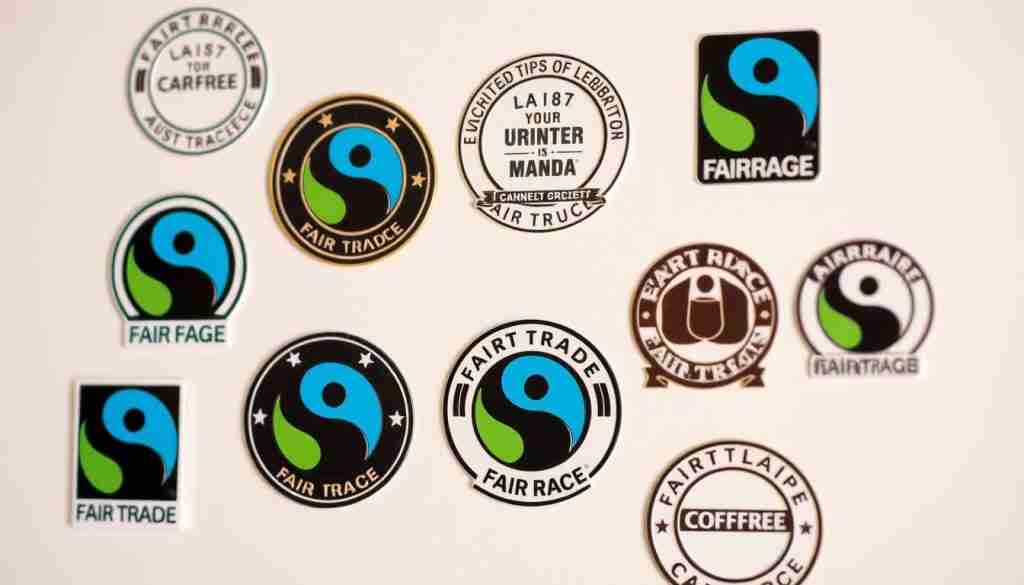
Understanding Fair Trade and Other Certifications
Look for these three labels when shopping:
- Fair Trade Certified: Guarantees farmers earn minimum pricing and bans harmful chemicals
- USDA Organic: Requires 95% organic ingredients and soil-friendly farming
- Rainforest Alliance: Combines worker rights with wildlife protection standards
Generic terms like “premium” or “artisan” lack oversight. True ethical companies name their farming partners—like “Peruvian Cusco Cooperative” instead of “South American Blend.”
| Certification | Key Focus | Verification |
|---|---|---|
| Fair Trade | Living wages | Annual audits |
| USDA Organic | Chemical-free soil | Lab testing |
| Rainforest Alliance | Ecosystem health | Farm inspections |
“Certifications are promises kept—look for third-party validation, not pretty packaging.”
For espresso lovers, check roast dates on bags—freshness often signals careful sourcing. Coffee pods with compostable designs show a company’s commitment beyond profits.
Always verify claims through brand websites or local coffee roasters. Reputable sellers share farm partnerships and sustainability reports. Your purchase becomes a vote for transparency—one that shapes entire communities.
Diving into Consumer Influence on Sustainable Coffee Practices
Your coffee purchase holds more power than you might think—it’s a direct line to shaping industry standards. Every bag of ground coffee or box of coffees you choose sends a message to producers. When consumers prioritize ethical options, companies adapt to meet demand.
Using Your Purchasing Power for Positive Change
Consider this: 72% of coffee drinkers now seek trade coffee options, pushing brands to adopt fair labor practices. This shift led major companies like Starbucks to source 100% ethically verified beans by 2025. Your choices ripple through supply chains, funding schools in Guatemala and solar-powered mills in Ethiopia.
Recent wins show consumer power in action:
- Keurig removed 9 billion plastic pods after buyers demanded compostable coffee machines alternatives
- Peet’s Coffee increased wages for 15,000 workers due to shopper feedback
- Local cafes now stock 40% more Rainforest Alliance-certified blends
| Aspect | Conventional Choice | Ethical Choice | Consumer Influence |
|---|---|---|---|
| Pricing | Focus on lowest cost | Supports living wages | +$1.20/lb to farmers |
| Packaging | Plastic-lined bags | Compostable materials | Demand reduced waste by 55% |
| Certifications | None listed | Fair Trade/Organic seals | 83% prefer labeled products |
Start conversations at your favorite shop. Ask, “Can you share where your trade partners operate?” Brands notice these questions—over 200 U.S. roasters updated sourcing policies last year after customer inquiries.
“When we see shoppers reach for certified bags, we restock them faster. Your cart shapes our inventory.”
Opt for coffee brands investing in community projects or eco-tech. Your morning ritual becomes a catalyst for global change—one thoughtful purchase at a time.
Getting Involved in the Fair Trade Movement
Ready to turn your coffee habit into a force for good? Your daily brew can spark global change when paired with community action. Start by joining local Fair Trade events—like coffee tastings or farm-to-cup workshops—to connect with like-minded advocates.
Community Engagement and Advocacy
Many coffee brands host volunteer programs. For example, Grumpy Mule organizes clean water projects in Ethiopian farming villages. Sign their petitions or share social media campaigns to amplify your impact. Small actions create big waves.
Become a member of ethical consumer groups like Fair Trade USA. These networks provide tools to:
- Host educational sessions at local shops
- Push for eco-friendly packaging in supermarkets
- Support bills ensuring living wages for growers
“When customers ask about our sourcing, we know the movement is working.”
Your coffee choices ripple across continents. Choosing brands that fund schools in Guatemala or solar farms in Colombia proves every sip matters. Over 120 companies now match customer donations to farming cooperatives—doubling your contribution’s power.
Start today: Follow ethical coffee brands online, attend a virtual Q&A with growers, or simply chat with your barista about their company’s practices. Together, we can brew fairness into every cup around world.
Conclusion
Every cup of coffee holds a story of impact. By choosing ethical coffee, you join a movement where quality meets conscience. Your purchase directly supports workers through fair wages, funds community schools, and protects ecosystems.
Certifications like Fair Trade ensure companies meet strict standards—from banning child labor to promoting organic farming. These labels matter: they’re proof your morning brew fuels sustainable change. Over 1.8 million farmers now thrive thanks to consumer-driven demand for responsible sourcing.
Your choices hold real power. When consumers prioritize ethically grown coffees, brands adapt. This shift has already funded health clinics, reforestation projects, and solar-powered mills worldwide. Each bag you buy strengthens this cycle.
Ready to act? Start by checking labels for trusted certifications. Support companies that name their farming partners. Share your values—ask local shops about their sourcing practices. Become a member of advocacy groups to amplify your impact.
Together, we’re brewing a future where every sip creates opportunity. Choose wisely, drink proudly, and let your coffee fuel more than just your day.