
Imagine starting your day with a cup that’s more than just caffeine—it’s a handcrafted masterpiece. Artisanal coffee blends centuries-old traditions with modern passion, turning every sip into a journey. Unlike mass-produced options, these brews focus on quality ingredients and meticulous preparation. Each batch tells a story, from bean to brew.
This guide is your gateway to exploring unique flavors and time-tested techniques. You’ll discover how small-batch roasting and ethical sourcing create richer tastes. We’ll dive into brewing methods that highlight the natural notes of specialty beans. Whether you’re a casual drinker or a home barista, there’s something here to refine your ritual.
From the history of coffee craftsmanship to practical tips for selecting beans, we’ve got you covered. Ready to transform your morning routine? Let’s begin.
Key Takeaways
- Artisanal coffee emphasizes handcrafted preparation and premium ingredients.
- Ethical sourcing enhances flavor profiles and supports sustainable practices.
- Traditional brewing methods unlock deeper, more complex tastes.
- Understanding bean origins helps you choose higher-quality options.
- Small-batch roasting preserves freshness and unique characteristics.
What is Artisanal Coffee?
Think of a brew where every step feels intentional—like a baker kneading dough by hand. This approach prioritizes human touch over automation, using techniques passed down through generations. Unlike factory-made products, these methods celebrate imperfections that machines can’t replicate.
Defining the Traditional Craft
True craftsmanship starts with small-batch roasting. Producers select premium beans from specific regions, then roast them in limited quantities. This preserves subtle notes like floral hints or citrus undertones that industrial processing often destroys. As one Yemeni roaster notes:
“We treat each bean like a gem—polishing its natural brilliance.”
Evolution from Early Origins to Modern Day
The story begins in 9th-century Ethiopia, where people first brewed wild beans. By the 15th century, Yemeni traders perfected manual grinding techniques. Today’s artisans blend this heritage with modern quality standards. They focus on ethical sourcing and precise temperature control during roasting.
Why does this matter? Mass-produced options often mix stale beans to cut costs. Specialty blends, however, use freshly roasted ingredients for vibrant flavor profiles. The result? A cup that’s as unique as the hands that made it.
The History and Craft Behind Artisanal Coffee
Centuries before coffee shops lined city streets, Ethiopian herders first discovered the energizing power of wild beans. This humble beginning sparked a global obsession that reshaped cultures and fueled creativity across continents.
The Journey from Ethiopia to Global Fame
In Ethiopia’s highlands around the 9th century, people brewed cherries from native arabica plants. By the 1400s, Yemeni traders cultivated these beans in mountain terraces, creating early coffee blends through manual grinding. The drink spread to Europe via Venetian merchants, becoming a symbol of sophistication.
| Period | Region | Development |
|---|---|---|
| 9th Century | Ethiopia | Wild bean consumption begins |
| 15th Century | Yemen | First controlled cultivation |
| 17th Century | Europe | Coffeehouses emerge as social hubs |
Generations of Coffee-Making Expertise
Family-run roasters perfected their craft over generations. They developed unique drying techniques to enhance aroma and balanced flavors. “A great blend,” explains a third-generation brewer, “requires tasting 50+ bean varieties to find harmony.”
Modern artisans honor this legacy through small-batch roasting. They prioritize ethical sourcing and precise temperature control during the process. This care preserves floral notes and chocolate undertones often lost in mass production.
Exploring Diverse Coffee Blends and Unique Flavor Profiles
Your morning cup holds more complexity than you might realize—especially when exploring blended versus single-origin options. Each style offers distinct experiences shaped by geography, roasting techniques, and bean combinations.
Blended Coffees vs. Single-Origin Coffees
Blends combine beans from multiple regions to create balanced flavor profiles. Roasters craft these mixes to highlight complementary notes—like pairing chocolatey Brazilian beans with bright Kenyan varieties. Single-origin options focus on beans from one location, letting regional soil and climate shine through.
| Factor | Blended Coffees | Single-Origin Coffees |
|---|---|---|
| Flavor Profile | Complex, layered | Distinct regional traits |
| Origin | Multiple regions | Single farm/region |
| Roast Style | Customized for balance | Highlight natural notes |
| Best For | Everyday enjoyment | Seasonal exploration |
Regional Nuances in Taste and Aroma
Ethiopian beans often burst with berry-like acidity, while Colombian varieties lean toward nutty sweetness. Altitude plays a key role too—higher elevations produce denser beans with brighter taste notes. As one Costa Rican grower explains:
“Our volcanic soil gives blends an earthy depth you can’t replicate elsewhere.”
Whether you prefer the harmony of blends or the purity of single-origin brews, understanding these differences helps you choose your ideal cup coffee. Try rotating options to discover which unique flavor profile excites your palate.
Traditional vs. Commercial Roasters: A Comparative Look
Behind every cup lies a choice: speed or craftsmanship. Traditional and commercial roasters take wildly different paths to transform raw beans into your daily brew. Let’s explore how their approaches shape your experience.
Handcrafted Precision vs. Factory Efficiency
Specialty coffee thrives on small-batch roasting. Skilled coffee roasters adjust temperatures by hand, letting beans develop flavors slowly. This method preserves delicate notes like caramel or jasmine that high-speed machines often scorch.
Commercial operations prioritize volume. They use conveyor belts and automated timers to roast tons of beans daily. While efficient, this “set it and forget it” approach can create uneven results. As one family-owned roaster explains:
“We taste-test every batch to make sure it meets our standards—something factories rarely do.”
| Factor | Traditional Roasters | Commercial Roasters |
|---|---|---|
| Process | Manual adjustments | Fully automated |
| Batch Size | 5-20 lbs | 500+ lbs |
| Customization | Tailored profiles | Standardized settings |
| Flavor Outcome | Complex, layered | Consistent but flat |
Different types of brewing methods shine with traditionally roasted beans. The careful process enhances acidity and aroma in pour-overs or French presses. Commercial blends often lack this depth, favoring boldness over nuance.
Why does this matter? Traditional methods let roasters highlight unique traits from various growing regions. They can tweak timelines to suit each bean’s moisture content and density. The result? A cup where every sip tells a story.
Global Sourcing: Plantations and Quality Coffee Beans
The journey of exceptional brews begins long before roasting—where farmers nurture quality beans under ideal conditions. From volcanic slopes to shaded highlands, regional ecosystems shape every sip. Ethical partnerships ensure communities thrive while preserving delicate ecosystems.
Sustainable Farming and Fair Trade Practices
Farmers in Ethiopia’s Sidamo region use ancient agroforestry methods, growing beans alongside native trees. This protects biodiversity while enhancing soil health. In Colombia, cooperative alliances guarantee fair wages, funding schools and healthcare clinics.
Guatemala’s Huehuetenango growers prioritize organic compost over synthetic fertilizers. A fourth-generation farmer shares:
“We treat the land like family—what we give, it returns tenfold in flavor.”
| Region | Flavor Notes | Altitude | Processing Method |
|---|---|---|---|
| Brazil (Cerrado) | Chocolate, nutty | 3,000 ft | Natural sun-dried |
| Ethiopia (Yirgacheffe) | Floral, citrus | 6,500 ft | Washed |
| Costa Rica (Tarrazú) | Honey, stone fruit | 5,200 ft | Honey processed |
Distinctive Characteristics by Region
Water quality and microclimates create dramatic taste differences. Volcanic soils in Nicaragua add mineral depth, while Panama’s misty highlands slow bean maturation for sweeter flavors.
Brazil’s rainy seasons produce larger beans with mild acidity—perfect for espresso blends. Meanwhile, Yemen’s arid mountains yield complex, wine-like notes. Exploring these types coffee profiles turns each cup into a passport stamp.
Innovative Brewing Methods for a Superior Home Experience
What if your kitchen could rival your favorite café? With the right techniques, you can unlock bold flavors and aromatic complexity from everyday beans. Let’s explore three standout brewing methods that turn routine into ritual.
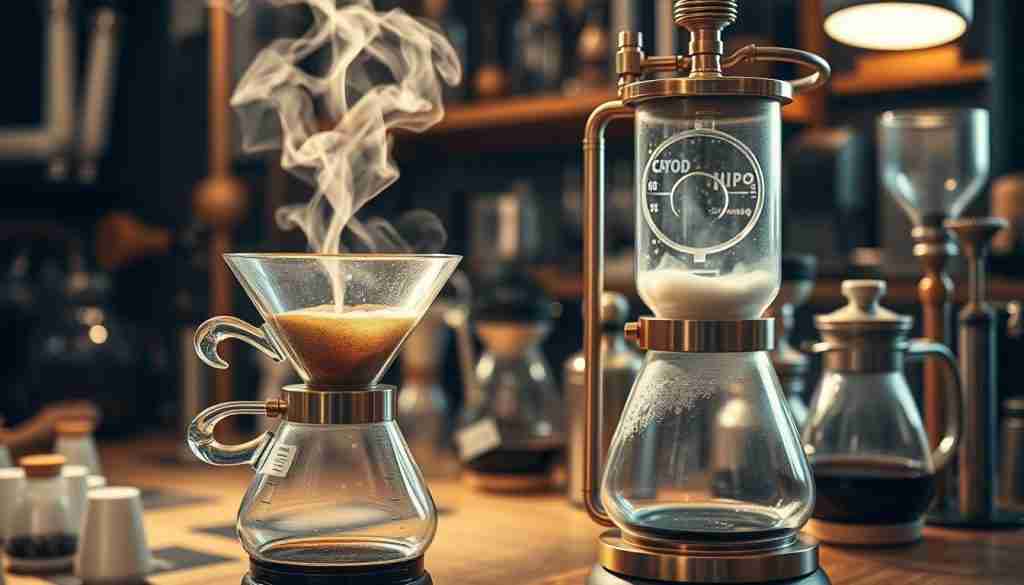
French Press, Pour-Over, and Cold Brew Techniques
The French press delivers rich, full-bodied results in minutes. Coarse grounds steep in hot water, extracting oils that paper filters often remove. For brighter notes, try pour-over—its controlled flow highlights floral or fruity undertones. Prefer something smoother? Cold brew’s 12–24 hour steep at room temperature cuts bitterness while boosting sweetness.
| Method | Brew Time | Flavor Profile | Best For |
|---|---|---|---|
| French Press | 4 minutes | Bold, textured | Weekend mornings |
| Pour-Over | 2–3 minutes | Crisp, nuanced | Single servings |
| Cold Brew | 12–24 hours | Silky, low-acid | Iced drinks |
Finding the Right Coffee-to-Water Ratio
Start with a 1:15 ratio—1 gram of beans to 15 grams of water. Adjust based on your type coffee: light roasts may need slightly more grounds to balance acidity. Use a kitchen scale for precision. As one home barista advises:
“Treat your first brew as a baseline. Tweak ratios by 5% each time until flavors sing.”
Freshly ground beans make all the difference. Burr grinders ensure even particle sizes for balanced extraction. Pair your preferred brewing style with quality tools, and don’t shy away from experimentation—your perfect cup awaits.
Health Benefits and Wellness Perks of a Quality Brew
Your daily brew does more than wake you up—it’s a secret wellness ally. Premium beans and careful preparation unlock benefits that go beyond rich flavors. Let’s explore how that morning ritual supports your health.
Antioxidant Richness and Blood Pressure Support
Quality coffee packs more antioxidants than blueberries or dark chocolate. These compounds fight free radicals, reducing inflammation and oxidative stress. A Harvard study found regular drinkers have a 15% lower risk of heart disease.
| Benefit | Key Compound | Impact |
|---|---|---|
| Antioxidant Boost | Chlorogenic Acid | Reduces cell damage |
| Blood Pressure | Magnesium | Supports vessel relaxation |
| Mental Alertness | Caffeine + L-Theanine | Enhances focus without jitters |
Brewing methods matter for acidity control. Cold steeping cuts acid levels by 70% compared to hot methods. This makes gentler options like cold brew ideal for sensitive stomachs.
“The polyphenols in specialty blends act like tiny bodyguards—protecting your cells while you savor each sip.”
A well-crafted cup offers balanced flavor profiles that maximize these perks. Lighter roasts preserve more nutrients, while precise extraction avoids bitter compounds. Your morning ritual just became a health hack.
How to Identify Quality Artisanal Coffee Blends
How do you know if your morning blend is truly top-shelf? Look beyond the label and engage your senses. Premium options reveal their quality through visual clues, aromatic depth, and balanced flavor layers.
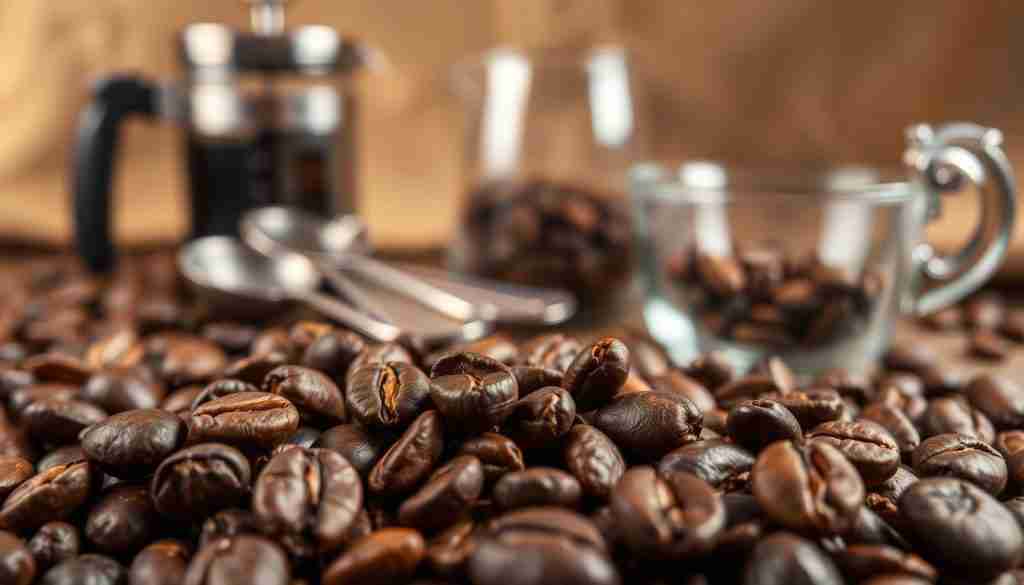
Spotting the Perfect Roast and Freshness
Check the roast date first—freshness matters. Beans should feel dry but slightly oily, not greasy or bone-dry. Avoid blends with uneven coloring or broken pieces, which signal rushed processing.
Smell tells all. Open the bag and inhale deeply. High-quality options release vibrant scents like toasted nuts or dried fruit. Stale blends smell flat or musty.
Assessing Aroma, Taste, and Uniform Grinding
Grind consistency is key. Rub a pinch between your fingers—particles should feel even, not powdery or chunky. A third-wave roaster shares:
“Great blends grind like sea salt. Each particle extracts at the same rate for balanced flavor.”
| Indicator | Quality Blend | Commercial Blend |
|---|---|---|
| Roast Date | Within 3 weeks | No date listed |
| Bean Color | Consistent sheen | Dull or patchy |
| Grind Consistency | Uniform texture | Mixed sizes |
| Aroma Complexity | Layered notes | One-dimensional |
Taste-test with clean water first. Let the brew cool slightly—heat masks flaws. Quality options maintain their profile as they cool, while inferior blends turn bitter or sour.
Exploring Proprietary Blends vs. Single-Origin Offerings
Selecting your next brew? The choice between proprietary blends and single-origin options shapes your tasting journey. One offers creative harmony, while the other delivers pure regional character. Let’s break down what sets them apart.
Unique Attributes of Proprietary Coffee Blends
Blends are like flavor symphonies. Roasters combine beans from multiple regions to craft balanced profiles. For example, a mix of Brazilian and Ethiopian beans might layer chocolate notes with floral hints. This approach lets brands create signature tastes you won’t find elsewhere.
Blue Bottle’s “Three Africas” blend showcases this artistry. It merges fruity Ugandan beans with earthy Kenyan varieties for a complex yet smooth cup. As one roaster notes:
“Our blends tell stories—each bean plays a role in the final act.”
The Consistency of Single-Origin Coffees
Single-origin options focus on one region’s terroir. Beans from Colombia’s Huila region, for instance, consistently offer caramel sweetness and mild acidity. These brews highlight how soil, altitude, and processing shape flavors.
Counter Culture’s “La Golondrina” from Guatemala delivers predictable stone fruit and honey notes year after year. Fans appreciate knowing exactly what to expect with each bag.
| Factor | Proprietary Blends | Single-Origin Coffees |
|---|---|---|
| Flavor Complexity | Layered, custom profiles | Distinct regional traits |
| Bean Sources | 3+ regions | Single farm/region |
| Roasting Approach | Tailored for balance | Highlight natural notes |
| Best Use Case | Adventurous sipping | Reliable daily drink |
Prefer variety? Try blends for surprising flavor combinations. Value consistency? Stick with single-origin. Your palate—and your morning mood—will thank you.
Tips to Maximize Your Artisanal Coffee Experience at Home
Transform your kitchen into a specialty café with simple yet impactful practices. Master your brewing process and storage habits to savor every nuanced note.
Expert Tips for Brewing and Storing Coffee
Start with precise measurements. Use a digital scale to weigh beans—aim for a 1:15 ratio with water. Grind beans just before brewing to preserve aromatic oils. A barista champion advises:
“Treat each step like clockwork. Even a 30-second timing shift changes flavor balance.”
Store beans in airtight containers away from light and heat. Avoid fridges—moisture degrades quality. Buy smaller batches to ensure freshness within 3 weeks of roasting.
| Storage Container | Material | Freshness Duration |
|---|---|---|
| Vacuum-Sealed Jar | Glass + Silicone | 4 weeks |
| Original Bag | Foil-lined | 2 weeks |
| Ceramic Canister | Clay | 3 weeks |
Experiment with brewing methods like AeroPress or siphon to discover new flavor layers. Try different bean types—Ethiopian for floral notes or Sumatran for earthy richness. Make sure water quality matches your beans; filtered water prevents mineral interference.
Conclusion
Your daily brew becomes extraordinary when every step matters—from bean selection to brewing. We’ve explored how centuries of craftsmanship shape today’s coffee blends, blending history with modern innovation. Ethical sourcing, precise roasting, and creative preparation all elevate that morning cup into something memorable.
Understanding flavor profiles helps you appreciate the artistry behind each sip. Whether you prefer bold proprietary mixes or single-origin purity, quality shines through in balanced acidity and aromatic depth. Experiment with different brewing methods to discover how water temperature and grind size unlock hidden notes.
Remember: great results come from respecting the process. Small-batch roasting preserves freshness, while proper storage keeps beans vibrant. Try rotating blends seasonally—your taste buds will thank you.
Ready to transform your routine? Explore local roasters or online artisans offering unique combinations. Every cup holds potential—why not make yours exceptional?