
Ever wondered what makes a cuppa worth hundreds of dollars? Enter the world of kopi luwak, a brew as intriguing as its backstory. Born in Bali’s lush landscapes, this exotic drink involves wild civets, rare beans, and a process that’s equal parts fascinating and debated.
Dubbed the “champagne of coffees”, its creation starts when civets snack on ripe berries. The beans ferment during digestion, creating a smoother, less bitter flavour. But here’s the kicker: ethical concerns shadow its fame. Are those premium tasting notes worth supporting practices that sometimes harm animals?
Production isn’t just quirky—it’s labour-intensive. Farmers scour forests for civet droppings, then meticulously clean, roast, and grind the beans. This rarity jacks up the price, making each sip a luxury. But does the hype match reality, or is it just clever marketing?
We’ll unpack everything—from Bali’s coffee tours to the science behind the unique flavour. Whether you’re a curious traveller or an ethical sipper, this guide spills the beans on what makes kopi luwak so divisive. Ready to decide if it’s your cup of tea (or coffee)? Let’s dive in.
Key Takeaways
- Kopi luwak’s production relies on civets digesting coffee berries, creating a distinct flavour.
- Ethical concerns surround some farms due to caged civets and questionable practices.
- Authentic versions are rare and pricey, often exceeding $100 per kilogram.
- Bali offers tours showcasing traditional processing methods—check for ethical certifications.
- Taste tests describe it as earthy and smooth, but quality varies wildly between producers.
Introduction to the Coffee Luwak Phenomenon
There’s a drink that turns digestive processes into a sought-after delicacy. Meet kopi luwak, where Asian palm civets snack on ripe berries and “process” them naturally. The result? Beans with a smoother taste, thanks to enzymes breaking down bitter compounds during digestion.
What Is Kopi Luwak?
This exotic brew starts when wild palm civets feast on coffee cherries. Their gut ferments the beans, creating unique flavours loved by enthusiasts. Farmers collect the droppings, clean the beans, and roast them carefully. It’s labour-heavy, which explains why it’s among the one expensive coffees globally.
Historical Origins in Indonesia
Dutch colonists banned locals from harvesting beans in the 18th century. Resourceful workers noticed civets left undigested beans in their waste. They roasted these, creating a workaround that became a tradition. Today, regions like Sumatra and Java still produce it, though Bali’s plantations draw curious travellers.
| Aspect | Traditional Method | Modern Farms |
|---|---|---|
| Bean Source | Wild civet droppings | Caged animals |
| Flavour Profile | Earthy, smooth | Inconsistent |
| Ethical Concerns | Minimal | High |
While the digestive process creates its signature taste, debates rage about animal welfare. Some farms prioritise ethical practices, while others exploit civets for profit. Keen to see how this impacts your cuppa? Let’s explore further.
Exploring Coffee Luwak Bali: An Ultimate Guide
Imagine sipping a rare brew surrounded by Bali’s terraced hills, where sustainability meets tradition. The island’s ethical plantations offer more than just a cuppa—they invite you into a story of heritage and conscious sipping.
Why Ethical Sourcing Matters Here
Wild civets freely roaming volcanic slopes produce kopi luwak with distinct caramel notes. Sadly, mass-produced versions often use caged animals, compromising flavour and ethics. “The best beans come from civets eating a diverse diet in nature,” explains a Ubud grower. Look for certifications like Rainforest Alliance when choosing suppliers.
Bali’s agrotourism thrives on transparency. Many farms let visitors track beans from forest to cup during guided tours. You’ll see sun-dried beans being hand-sorted—a labour of love ensuring quality.
Spotting Authenticity in Every Sip
Genuine luwak coffee has a mild acidity and earthy aroma absent in knockoffs. Trustworthy sellers provide harvest dates and location details. One traveller’s tip? “Avoid stalls near tourist hubs—they often sell flavoured blends instead of the real deal.”
Top plantations combine tastings with cultural workshops. Learn traditional roasting methods or try brewing with bamboo tools. It’s not just about caffeine—it’s about connecting with Bali’s agrarian soul.
The Journey from Civet to Cup
Picture this: ripe cherries transform into luxury brew through nature’s most unexpected alchemy. The magic begins when wild civets selectively eat only the sweetest berries. Their digestive enzymes break down proteins in the beans, reducing bitterness and creating a smoother profile.
Traditional vs Intensive Production Methods
In traditional setups, farmers collect droppings from forest floors where civets roam freely. The beans undergo natural fermentation before being washed, sun-dried, and lightly roasted. This low-impact process preserves complex flavours developed during digestion.
Contrast this with intensive farms. Caged animals often eat forced diets of coffee cherries, leading to stressed digestion. “Enzymatic activity differs dramatically in confined civets,” notes a Jakarta-based biochemist. Mass-produced beans lack the nuanced taste of wild-sourced equivalents.
The Unique Digestion and Fermentation Process
Civet guts work like mini-labs. Proteolytic enzymes modify amino acids, while fermentation adds fruity undertones. During roasting, these pre-treated beans undergo Maillard reactions more efficiently—caramelising sugars and amplifying chocolatey notes.
Ethical red flags emerge in factory-style operations. BBC investigations revealed malnourished civets in cramped cages, their waste collected daily. Such practices not only harm animals but also degrade bean quality, producing harsh, one-dimensional flavours.
Next, we’ll explore how these production choices impact both taste buds and ecosystems. The stakes? Higher than your morning caffeine fix.
Ethical Considerations and Animal Welfare
Behind every luxury sip lies a hidden cost few consider. While civet coffee markets itself as a premium experience, its creation often involves troubling practices that clash with modern ethical standards.
Concerns Over Caged Civets
Investigations by PETA and BBC revealed cramped cages where palm civets suffer malnutrition and stress. One worker admitted: “Animals often die within months due to forced diets of only coffee berries.” Battery farms prioritise profit over welfare, stripping beans of their unique flavour potential.
Sustainable and Ethical Alternatives
Forward-thinking Balinese growers now use wild-sourced beans collected from forest floors. Look for:
- Certifications like Rainforest Alliance
- Cut the Crap” campaign-approved producers
- Farmers who protect natural civet habitats
These methods yield better quality brews while supporting animal welfare. As one ethical grower notes: “Wild civets choose diverse diets—that’s why their beans taste richer.”
Impact on Wild Civet Populations
Mass trapping for factory farms threatens wild numbers. IUCN studies show regional declines up to 30% in areas with intensive production. Ethical sourcing helps conserve ecosystems while preserving traditional bean processing methods.
| Factor | Caged Production | Wild-Sourced |
|---|---|---|
| Animal Welfare | Poor | Protected |
| Flavour Complexity | Basic | Layered |
| Environmental Impact | Negative | Neutral |
Your morning cuppa holds power. Choosing ethical civet coffee supports both exceptional taste and humane practices—proving luxury needn’t come at nature’s expense.
Tasting the Difference: Flavour and Quality
Your taste buds might not believe what happens when enzymes meet arabica. The kopi luwak experience begins with a velvety texture that glides across your tongue, followed by earthy undertones and a caramel-like sweetness. “It’s like drinking a forest after rainfall,” describes a Melbourne-based Q Grader in their 2023 cupping notes.
Exploring the Unique Flavour Profile
Natural fermentation in Asian palm civets creates a chemical magic show. Proteolytic enzymes break down bitter proteins, resulting in a pH level 15% higher than regular brews. This translates to:
- Silky mouthfeel with almost zero acidity
- Hints of dark chocolate and tamarind
- Absence of the ‘burnt’ aftertaste common in dark roasts
How Does It Stack Up Against Regular Brews?
Conventional varieties often shout their flavours—bold, acidic, in-your-face. Civet coffee whispers. Side-by-side tastings reveal:
| Characteristic | Kopi Luwak | Conventional Coffee |
|---|---|---|
| Bitterness | Mild (2/5) | Moderate (3.5/5) |
| Body | Velvety | Varies widely |
| Aftertaste | 15-20 seconds | 5-10 seconds |
Not everyone’s convinced. A Sydney café owner remarks: “Some customers call it ‘overpriced tea’—they miss the punch of their usual espresso.” Yet devotees argue its subtlety rewards patient palates.
Want to judge for yourself? Ethical plantations near Ubud offer tasting flights comparing wild-sourced and commercial bean varieties. Just remember—authenticity matters more than Instagramability when choosing your cup.
Discovering Bali Coffee Plantations
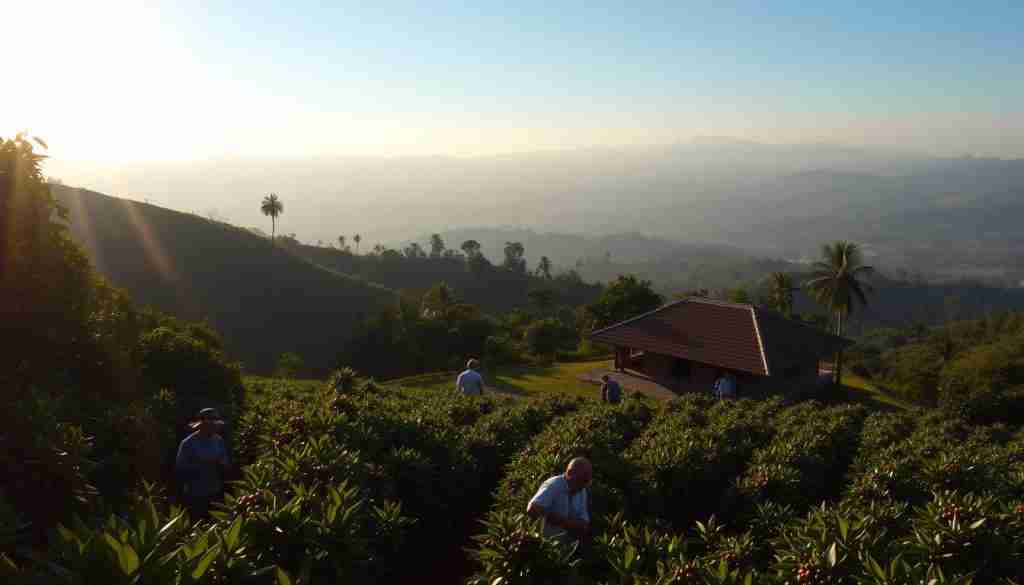
Bali’s volcanic slopes hide more than surf breaks—they cradle some of Indonesia’s most ethical kopi luwak farms. Here, agrotourism thrives through immersive experiences that blend bean-to-cup education with rainforest conservation.
Where Ethics Meet Exceptional Brews
Leading plantations like Bali Pulina and Tegallalang set the standard. These farms:
- Source beans from wild civets’ forest droppings
- Partner with animal welfare groups
- Offer transparent processing demonstrations
“Watching staff hand-sort beans under fig trees changed how I view luxury brews,” shares an Aussie traveller’s Tripadvisor review. Many operations now use profits to replant native vegetation, creating sustainable habitats.
Beyond Tasting: Immersive Farm Experiences
Agrotourism here means rolling up your sleeves. At Sari Agri, visitors:
- Roast beans using traditional wood-fired methods
- Learn bamboo straw brewing techniques
- Explore spice gardens growing vanilla and clove
Morning tours often end with sunset views over tiered fields, sipping cups that fund community education programs.
Spotting Quality in a Crowded Market
Authentic sellers share three traits:
| Green Flags | Red Flags |
|---|---|
| Wild-sourced certifications | No harvest location details |
| Small-batch roasting dates | Civets visible on-site |
| Multi-crop farm ecosystems | Prices below $50/100g |
As one Ubud grower advises: “Ask how they monitor wildlife—ethical farms track civets via cameras, not cages.” Pair this knowledge with sunset kopi sessions, and you’ll taste Bali’s soul in every sip.
Modern Variations and Imitation Methods
Science now brews what nature once perfected. As demand grows for cruelty-free alternatives, labs and startups are reverse-engineering the kopi luwak magic through cutting-edge tech. These innovations aim to replicate that signature smoothness without involving a single civet.
Enzyme-Based Imitation Techniques
Biochemists isolate proteolytic enzymes from civet digestive systems to create “digestion in a dish.” Brooklyn’s Fable Food Co. soaks beans in enzyme cocktails for 72 hours, mimicking natural fermentation. The result? A brew with 80% less bitterness than regular coffees, according to their 2023 taste trials.
Innovative Fermentation Methods
Vietnam’s Sentia Labs uses temperature-controlled tanks to cultivate wild yeast strains found in civet habitats. Their patented process enhances caramel notes while maintaining low acidity. “We’re not copying nature—we’re collaborating with it,” explains their lead researcher.
What’s driving this shift? Three key factors:
- Skyrocketing prices of authentic luwak coffee (now $300+/kg)
- Consumer backlash against caged civet practices
- Specialty roasters seeking consistent quality
| Aspect | Traditional | Imitation |
|---|---|---|
| Production Time | 2-3 days | 4-7 days |
| Flavour Depth | Wild, earthy | Controlled, sweet |
| Ethical Concerns | Variable | None |
While purists argue imitations lack the je ne sais quoi of wild-sourced beans, blind tastings show many can’t tell the difference. As one Sydney barista notes: “These methods let everyone enjoy the kopi experience guilt-free—no digestive surprises required.”
Conclusion
When luxury meets controversy, how do you choose your brew? Kopi luwak presents a paradox – its velvety texture and earthy sweetness come from nature’s quirkiest production method, yet caged civet practices leave bitter aftertastes for conscious sippers.
Wild-sourced beans offer complex flavours shaped by diverse diets and natural fermentation. But mass production often sacrifices animal welfare for profit. Ethical certifications and transparent plantations now provide guilt-free ways to experience this one expensive coffee.
For travellers, Bali’s best experiences combine tastings with education. Seek farms prioritising:
- Wild Asian palm civet habitats
- Small-batch roasting techniques
- Community-led conservation efforts
While the brew’s smoothness intrigues, its ethics demand scrutiny. Modern alternatives like lab-fermented beans replicate flavours without wildlife impacts. Your cuppa shouldn’t cost civets their freedom.
Next time curiosity strikes, weigh flavour against fairness. Research suppliers, ask tough questions, and remember – great taste shouldn’t leave a sour conscience. After all, the best brews respect both bean and beast.