
The world of exotic coffee is full of unusual brewing methods and rare beans, but perhaps none is as intriguing as kopi luwak, also known as civet luxury coffee. This unique brew involves coffee beans being digested and excreted by the Asian palm civet, a small mammal native to Indonesia.
The process of creating this luxury coffee is as fascinating as it is controversial. The beans are collected from the civet’s faeces, cleaned, and then roasted to produce a distinctively rich and intense flavour. This unusual production process has sparked debate among coffee connoisseurs and animal welfare advocates alike.
Key Takeaways
- Kopi luwak is one of the world’s most expensive types of coffee.
- The coffee beans are digested and excreted by the Asian palm civet.
- The unique production process contributes to its distinct flavour.
- The practice has raised concerns among animal welfare advocates.
- Kopi luwak is considered a luxury item among coffee enthusiasts.
The Basics of Coffee from Cat Poop
The concept of coffee being digested and excreted by animals before being consumed may seem unusual, but it’s a reality for some gourmet coffee enthusiasts. This unique coffee, commonly known as civet coffee or kopi luwak, has garnered significant attention worldwide due to its exotic production process and distinct flavor profile.
What Is It?
Civet coffee, or kopi luwak, is made from coffee beans that have been eaten by the Asian palm civet, a small mammal native to Indonesia. The civet’s digestive system processes the beans, which are then collected from its feces. This unusual process is believed to give the coffee its unique characteristics.
How Is It Made?
The production of civet coffee involves several steps. Initially, the Asian palm civet consumes ripe coffee berries. The beans inside the berries are then digested, while the coffee beans themselves pass through the civet’s digestive system relatively intact. The beans are collected from the civet’s feces, cleaned, and then processed for sale as unique coffee beans. This labor-intensive process contributes to the high value and cost of civet coffee, making it a prized gourmet coffee among connoisseurs.
The unique production process of civet coffee has raised both interest and concerns. While some appreciate the distinct flavor it offers, others question the ethics and hygiene of consuming coffee beans that have been through an animal’s digestive system. Nonetheless, civet coffee remains a fascinating example of the diverse and sometimes unconventional world of specialty coffee.
A Brief History of Unusual Coffees
From the civets of Indonesia to the cats of other regions, the production of exotic coffee has a rich history. The story of kopi luwak, one of the most renowned types of unusual coffee, dates back to the Dutch colonization of Indonesia.
Originally, kopi luwak was produced as a result of the digestive process of the Asian palm civet, an animal native to Indonesia. The Dutch colonizers forbade the native population from picking coffee beans directly from the plantations, leading to the unique production method where civets would eat the coffee berries, and the beans would be collected from their feces.
From Civets to Cats
The production of kopi luwak has evolved over time, and its popularity has led to the exploration of other animals in the production of rare coffee. One such example is the use of cats in producing coffee, although this is less common and not as widely documented as kopi luwak.
The shift from civets to other animals, including cats, marks an interesting development in the world of exclusive coffee. While civets remain the primary animals associated with exotic coffee, the experimentation with other animals indicates a growing interest in unique coffee production methods.
Cultural Significance
The cultural significance of unusual coffees, particularly kopi luwak, cannot be overstated. It has become a luxury item globally, sought after by coffee connoisseurs and those looking to experience something unique.
In Indonesia, kopi luwak is not just a luxury item but also a part of the cultural heritage. The traditional methods of production are often preserved, and the coffee is consumed during social gatherings, highlighting its importance in local culture.
| Coffee Type | Production Method | Cultural Significance |
|---|---|---|
| Kopi Luwak | Digested by Asian palm civets | Luxury item, part of Indonesian heritage |
| Cat Poop Coffee | Digested by cats | Novelty item, less common |
| Elephant Dung Coffee | Digested by elephants | Rare, luxury item |
The history and cultural significance of exotic coffee underscore its appeal. As consumers become more adventurous, the demand for such unique coffees is likely to continue, driving further innovation in coffee production.
The Science Behind the Flavor
The science behind kopi luwak’s distinct taste lies in its unusual production process. The unique flavor of this luxury coffee is attributed to the digestive process of the civet, which breaks down the proteins and changes the chemical composition of the beans.
Unique Characteristics
Kopi luwak’s flavor profile is significantly influenced by the enzymes in the civet’s digestive system. These enzymes break down the coffee cherries, resulting in a distinct flavor that is rich and full-bodied. The process involves the civet consuming the coffee berries, and the beans are then collected from its feces.
The enzymatic action during digestion is crucial. It alters the chemical makeup of the coffee, reducing bitterness and enhancing the body. This unique process contributes to the premium brew status of kopi luwak among coffee connoisseurs.
Flavor Profiles and Notes
The flavor profile of kopi luwak is complex, with notes that are often described as earthy, musky, and smoky. Some consumers also detect hints of spice and a rich, full-bodied taste. The unique flavor profile is a result of the combination of the coffee beans and the digestive enzymes of the civet.
| Flavor Notes | Description |
|---|---|
| Earthy | Rich, soil-like undertones |
| Musky | Distinctive aroma reminiscent of musk |
| Smoky | Hints of smokiness, adding depth |
The distinct flavor characteristics of kopi luwak make it a sought-after gourmet coffee. Its unique production process and the resulting flavor profile contribute to its luxury status in the world of coffee.
Health Considerations
The production of coffee from cat poop raises several health concerns that need to be addressed. While the unique process of digestion and fermentation involved in producing kopi luwak or feline feces coffee may contribute to its distinct flavor, it also poses potential health risks if not handled properly.
Nutritional Aspects
Coffee from cat poop, like other types of coffee, contains antioxidants and other nutrients. However, the nutritional content can vary based on factors like the type of coffee beans used and the processing methods. Some proponents of kopi luwak argue that the digestive process of the civet or other animals involved can enhance certain nutritional properties, although this is not conclusively proven.
Nutritional Highlights:
- Antioxidants: Potentially higher due to the unique fermentation process.
- Caffeine Content: Generally similar to other coffee types, but can vary.
Safety and Hygiene
The safety and hygiene of coffee from cat poop are significant concerns due to the initial excretion of the beans in the feces of the civet or other animals. Ensuring that the beans are properly cleaned, processed, and roasted is crucial to prevent the transmission of diseases.
Proper Processing: Reputable producers follow strict guidelines to clean and roast the beans, minimizing health risks. Consumers should be aware of the source and production practices of the coffee they consume.
To mitigate health risks, it’s essential to purchase coffee from reputable sources that adhere to high standards of hygiene and safety. This includes proper handling, storage, and roasting practices to ensure the coffee is safe for consumption.
Ethical Concerns
The production of exotic coffee, such as kopi luwak, has sparked intense debate regarding its ethical implications. As consumers become more aware of the origins of their luxury coffee, concerns about the treatment of animals and environmental impact have come to the forefront.
Treatment of Animal Sources
The Asian palm civet, the animal primarily involved in the production of kopi luwak, is often kept in captivity under questionable conditions. Many producers, in an effort to increase yields, subject these animals to inhumane treatment, including small cages and force-feeding. This has raised significant ethical concerns among consumers of rare coffee.
However, it’s worth noting that not all kopi luwak producers engage in such practices. Some farms prioritize the welfare of the civets, providing them with spacious environments and a diet that includes a variety of foods. These ethical producers are working to change the narrative around kopi luwak production.
Environmental Impact
The environmental impact of kopi luwak production is another area of concern. The coffee industry, in general, has a significant ecological footprint, but the unique production process of kopi luwak can exacerbate issues like deforestation and water pollution. The demand for rare coffee can lead to unsustainable farming practices, further threatening local ecosystems.
To mitigate these effects, some producers are adopting sustainable practices, such as shade-grown coffee and organic farming methods. These approaches not only reduce the environmental impact but also contribute to a more equitable coffee industry.
In conclusion, while the production of exotic coffee like kopi luwak raises several ethical concerns, there are also efforts underway to address these issues. As consumers, being informed about the origins of our luxury coffee and supporting ethical producers can make a significant difference.
Popular Brands Offering Cat Poop Coffee
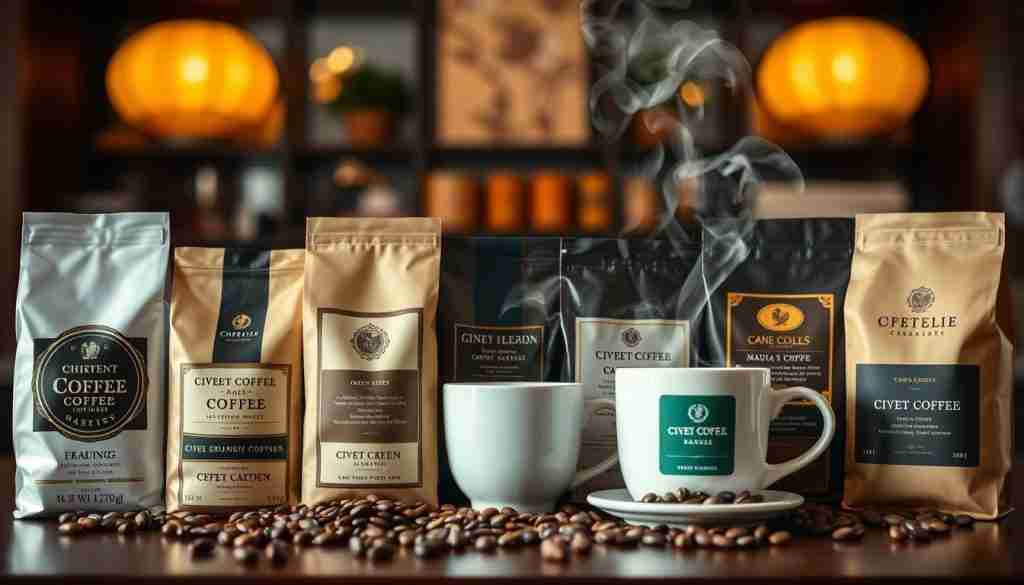
The exotic world of civet coffee has attracted numerous brands, each offering their unique take on this premium brew. As the demand for this exclusive coffee grows, so does the number of brands entering the market.
Notable Players in the Market
Several brands have made a name for themselves in the kopi luwak market. Some of the notable players include:
- Jacobs Kaffee: Known for their high-quality kopi luwak sourced from various regions.
- Luwak Coffee: Specializes in authentic Indonesian kopi luwak, offering a range of flavors.
- Vietnamese Luwak Coffee: Provides kopi luwak that is sustainably sourced from Vietnam.
These brands have gained recognition for their commitment to quality and authenticity.
Price Comparisons
The price of kopi luwak can vary significantly based on factors such as the source of the beans, production methods, and brand reputation. Here’s a comparison of prices among some popular brands:
| Brand | Product | Price per 100g |
|---|---|---|
| Jacobs Kaffee | Kopi Luwak Whole Beans | $25 |
| Luwak Coffee | Authentic Indonesian Kopi Luwak | $30 |
| Vietnamese Luwak Coffee | Sustainable Kopi Luwak | $28 |
Prices can fluctuate based on availability and sourcing, but this gives a general idea of what to expect when purchasing civet coffee.
The Taste Test: What to Expect
Tasting kopi luwak is an adventure for those who dare to try the world’s most unusual gourmet coffee. This luxury coffee has garnered attention for its distinctive production process and unique flavor profile. But what can one expect when taking a sip of this unique coffee beans brew?
Blind Taste Tests
Blind taste tests have been conducted to evaluate the subjective experience of drinking kopi luwak. Participants in these tests often describe the coffee in vastly different terms, ranging from smooth and rich to disappointing. According to a study mentioned in The Guardian, the unusual production process of kopi luwak, involving digestion and excretion by the Asian palm civet, contributes to its distinct flavor.
The variability in taste perception can be attributed to individual preferences and the subjective nature of taste. Some coffee connoisseurs appreciate the unique characteristics of kopi luwak, while others find it unremarkable.
Consumer Reviews
Consumer reviews of kopi luwak are as varied as the descriptions in blind taste tests. Some consumers rave about its rich flavor, describing it as a truly luxury coffee experience. Others express disappointment, finding the taste unexceptional.
A common theme among positive reviews is the appreciation for kopi luwak’s smooth, full-bodied flavor, often described as having notes of musk and spice. Negative reviews, on the other hand, often criticize its taste as being too earthy or lacking in acidity.
For those considering trying kopi luwak, it’s essential to approach it with an open mind. As with any unique coffee beans, the experience is subjective, and expectations should be tempered by an understanding that taste is highly personal.
Brewing Techniques for Unique Coffees
To truly appreciate the distinct flavors of gourmet coffee, one must master the brewing technique. Unique coffees, such as kopi luwak, require a nuanced approach to unlock their full flavor potential.
The brewing process can significantly affect the taste of exotic coffee. Factors such as water temperature, coffee-to-water ratio, and brewing time all play crucial roles in bringing out the best flavors.
Best Practices
Coffee aficionados agree that using high-quality equipment is essential for brewing premium brew coffee. This includes a scale for precise measurements, a grinder for freshly grinding the beans, and a brewing device that allows for optimal extraction.
- Use filtered water to prevent any off-flavors.
- Grind the coffee beans just before brewing.
- Experiment with different brewing times to find the optimal flavor.
Recommended Methods
Several brewing methods are particularly well-suited for unique coffees. These include:
| Brewing Method | Description | Flavor Profile |
|---|---|---|
| French Press | Rich and bold, with a thick texture. | Deep, with notes of chocolate and spices. |
| Pour-over | Clean and nuanced, with a lighter body. | Bright, with floral and fruit notes. |
| Cold Brew | Smooth and low acidity. | Sweet, with hints of caramel and nuts. |
By mastering these brewing techniques, coffee enthusiasts can fully appreciate the unique qualities of gourmet coffee. Whether you’re a seasoned aficionado or just exploring the world of exotic coffee, the right brewing method can elevate your coffee experience.
Where to Buy Cat Poop Coffee
The quest for authentic luxury coffee, such as kopi luwak, involves knowing where to look. For those interested in trying this exclusive coffee, there are several options available.
Specialty Shops
Specialty coffee shops often carry unique and exotic coffees, including civet coffee. These shops typically source their coffee from reputable suppliers, ensuring a level of quality and authenticity. When purchasing from a specialty shop, it’s a good idea to ask about the coffee’s origin and production process.
Some coffee connoisseurs have praised the quality of kopi luwak available at specialty shops. As one expert noted, “The distinct flavor profile of kopi luwak is unmatched, making it a sought-after choice among coffee aficionados.” This sentiment is echoed by many who have had the opportunity to taste this luxury coffee.
Online Retailers
Online retailers offer another convenient option for purchasing civet coffee. Websites like Kaya Kopi provide a platform to buy kopi luwak, often with detailed information about the product.
When buying online, it’s crucial to verify the authenticity of the product. Look for retailers who provide clear information about the coffee’s origin, production process, and quality control measures.
| Retailer | Product | Price (AUD) |
|---|---|---|
| Kaya Kopi | Kopi Luwak | $25/100g |
| Specialty Coffee Co. | Civet Coffee | $30/100g |
| Luxury Coffee Store | Exclusive Kopi Luwak | $40/100g |
As shown in the table, prices can vary significantly depending on the retailer and the specific product. It’s essential to compare prices and consider the quality and authenticity of the coffee.
In conclusion, whether you prefer to shop in-person at specialty stores or online, there are several avenues to explore when looking to purchase civet coffee. Ensuring the authenticity and quality of the product should be your top priority.
Conclusion: Is It Worth Trying?
Coffee from cat poop, also known as feline feces coffee or kopi luwak, is a unique and exotic gourmet coffee that has garnered significant attention worldwide. The decision to try this coffee depends on individual preferences regarding its distinct flavor and the ethical considerations surrounding its production.
Weighing the Experience
For adventurous coffee connoisseurs, kopi luwak offers a rare and exclusive taste experience. Its unique flavor profile, shaped by the digestive process of the Asian palm civet or other animals, is a significant draw. However, it’s crucial to consider the ethical implications and ensure that the coffee is sourced from producers who treat the animals humanely and sustainably.
Exploring New Flavors
For those willing to explore new flavors, coffee from cat poop is certainly worth trying. It provides an opportunity to experience a truly distinct gourmet coffee. When purchasing, look for reputable brands that prioritize animal welfare and environmental sustainability, ensuring a guilt-free indulgence in this unusual coffee.